
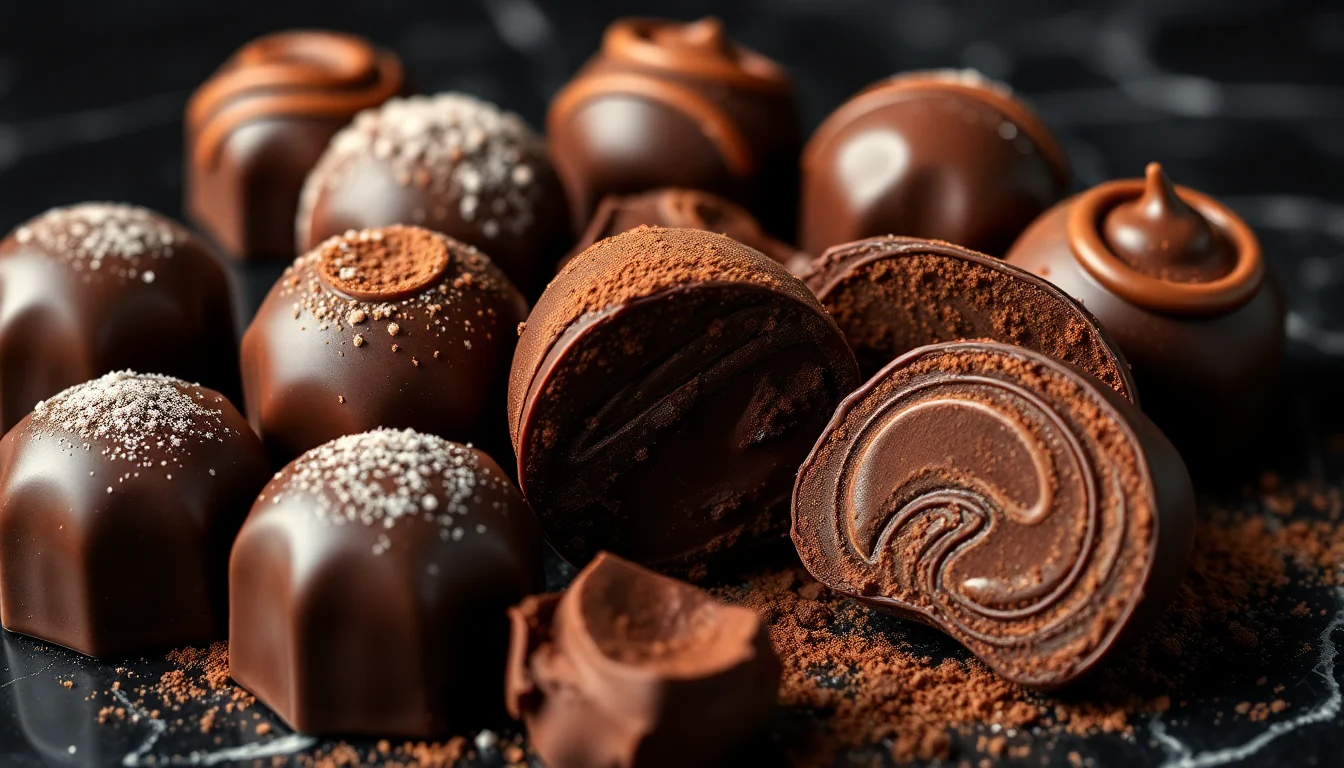
Luxury does not always require elaborate ingredients or complicated techniques. Some of the most memorable desserts are surprisingly simple, relying on quality ingredients and careful preparation to create something extraordinary. Dark chocolate truffles are a perfect example. With their velvety texture, intense chocolate flavor, and elegant appearance, they have earned a reputation as one of the most sophisticated treats in the dessert world. Despite their refined image, these bite-sized indulgences are remarkably approachable and can be crafted in any home kitchen with a little patience and attention to detail.
I have always admired desserts that focus on flavor rather than excess decoration, and dark chocolate truffles embody that philosophy beautifully. Each truffle delivers a concentrated burst of rich chocolate balanced by a smooth, creamy center. They feel special enough for holidays, weddings, anniversaries, and celebrations, yet simple enough to prepare whenever a craving for exceptional chocolate strikes. Few desserts offer such a perfect balance of elegance and comfort.
Why Dark Chocolate Continues to Captivate Dessert Lovers
Chocolate has long been one of the most beloved ingredients in baking and confectionery. While milk chocolate offers sweetness and familiarity, dark chocolate provides a depth of flavor that appeals to those seeking a more sophisticated experience.
The complexity of dark chocolate comes from its cocoa content. Notes of fruit, coffee, nuts, caramel, and even subtle floral undertones can emerge depending on the chocolate being used. These layers of flavor create a richer tasting experience that lingers pleasantly on the palate.
What I appreciate most about dark chocolate is its balance. It offers sweetness while maintaining enough bitterness to create depth and intrigue. This quality makes it particularly well suited for truffles, where the chocolate itself serves as the star ingredient.
The History Behind Chocolate Truffles
Chocolate truffles have been enjoyed for more than a century and remain one of the most iconic confections in the world. Their name comes from their resemblance to the prized truffle mushroom, a delicacy known for its rough, uneven appearance.
Traditional truffles are made from ganache, a mixture of chocolate and cream that is chilled until firm enough to shape. Once formed into small balls, the truffles are coated with cocoa powder, nuts, coconut, or melted chocolate.
Over time, countless variations have emerged, but the classic dark chocolate truffle continues to be celebrated for its simplicity and rich flavor. It remains a favorite among chocolatiers and home bakers alike.
What Makes Dark Chocolate Truffles So Special
Many desserts rely on multiple layers, fillings, or decorative elements to create excitement. Dark chocolate truffles succeed through restraint. Their appeal comes from texture, flavor, and quality ingredients rather than complexity.
The exterior may appear modest, but the interior reveals a silky ganache that melts effortlessly with each bite. This contrast between the slightly firm coating and the creamy center is what makes truffles so satisfying.
Their small size also contributes to their charm. Rather than encouraging large portions, truffles invite slow enjoyment. Each piece feels like a concentrated expression of chocolate at its finest.
Ingredients You’ll Need
For classic dark chocolate truffles, I typically gather:
For the Ganache
- 12 ounces high-quality dark chocolate, finely chopped
- ¾ cup heavy cream
- 2 tablespoons unsalted butter
- 1 teaspoon vanilla extract
For Coating
- Unsweetened cocoa powder
- Finely chopped nuts
- Shredded coconut
- Melted dark chocolate, optional
The simplicity of this ingredient list highlights an important truth about truffles: quality matters more than quantity.
Why High-Quality Chocolate Matters
Since chocolate serves as the primary flavor, choosing a high-quality variety is essential. The better the chocolate, the better the truffles.
I prefer dark chocolate with a cocoa content between 60 and 70 percent. This range provides richness and complexity while remaining approachable for most palates. Chocolate that is too bitter can overwhelm the ganache, while overly sweet chocolate may diminish the sophisticated character of the truffles.
Using premium chocolate also improves texture. High-quality chocolate melts more smoothly and creates a silkier ganache that feels luxurious in every bite.
The Magic of Ganache
Ganache is one of the most versatile components in pastry and confectionery. At its simplest, it consists of chocolate and cream combined into a smooth, glossy mixture.
When warm cream is poured over chopped chocolate, something remarkable happens. The chocolate gradually melts, blending with the cream to create a rich and velvety texture that serves as the foundation of countless desserts.
For truffles, ganache becomes the heart of the confection. Once chilled, it firms enough to shape while retaining the creamy consistency that makes truffles so irresistible.
Preparing the Perfect Ganache
The process begins by heating the cream until it is just below a boil. The hot cream is then poured over the chopped chocolate and allowed to sit briefly.
After a few moments, gentle stirring transforms the ingredients into a glossy mixture. The butter and vanilla are added next, contributing additional richness and flavor.
I always enjoy this stage because it showcases the remarkable transformation that occurs when a few simple ingredients are combined with care. The resulting ganache looks smooth, luxurious, and deeply inviting.
Chilling for the Right Consistency
Once the ganache is prepared, it must be chilled until firm enough to handle. This step requires patience, but it is crucial for successful truffle making.
During refrigeration, the ganache develops the structure needed for shaping. The flavors also become more concentrated, resulting in a richer final product.
I often prepare the ganache several hours ahead of time or even the day before. The additional chilling time makes shaping much easier and often improves the overall texture.
Shaping the Truffles
Forming the truffles is one of the most enjoyable parts of the process. Small portions of chilled ganache are scooped and rolled between the hands to create round shapes.
Perfection is not necessary. In fact, slightly irregular truffles often look more authentic and appealing. Their handmade appearance reinforces the artisanal nature of the confection.
Working quickly helps prevent the ganache from becoming too soft. If necessary, the mixture can be returned to the refrigerator briefly before continuing.
Classic Cocoa Coating
Cocoa powder remains one of the most traditional truffle coatings. Its slightly bitter flavor complements the richness of the ganache beautifully.
Rolling the truffles in cocoa powder creates an elegant finish while enhancing the chocolate intensity. The coating also provides a visual contrast that highlights the rustic appearance of the truffles.
I particularly enjoy the simplicity of cocoa-coated truffles because they allow the flavor of the ganache to remain the focal point.
Exploring Alternative Coatings
Although cocoa powder is a classic choice, many other coatings can introduce additional flavor and texture.
Finely chopped toasted nuts add crunch and complement the richness of the chocolate. Almonds, hazelnuts, and pistachios are particularly excellent options.
Shredded coconut provides sweetness and visual appeal, while melted chocolate creates a crisp outer shell that contrasts beautifully with the soft interior.
These variations allow truffles to be customized for different occasions and personal preferences.
Why Texture Is Everything
One of the defining characteristics of dark chocolate truffles is their texture. The exterior should offer a slight resistance before yielding to a creamy center that melts on the tongue.
Achieving this balance requires attention to detail. The ganache must be smooth, properly chilled, and made with the correct ratio of chocolate to cream.
When everything comes together correctly, the result is a confection that feels luxurious despite its simplicity.
Serving Suggestions
Dark chocolate truffles are incredibly versatile when it comes to presentation. They can be arranged on elegant platters for formal events or served casually alongside coffee after dinner.
I often enjoy pairing them with espresso, whose bitterness enhances the complexity of the chocolate. Strong black coffee creates a similarly satisfying combination.
For special occasions, truffles can be presented in decorative boxes or wrapped individually as edible gifts. Their elegant appearance makes them particularly suitable for celebrations and holidays.
Flavor Variations Worth Exploring
Although classic dark chocolate truffles remain my favorite, there are numerous ways to introduce additional flavors.
A splash of orange extract or finely grated orange zest creates a bright contrast to the rich chocolate. The citrus notes add freshness without overwhelming the ganache.
Espresso powder can deepen the chocolate flavor and introduce subtle complexity. Even a small amount has a noticeable effect.
Sea salt sprinkled lightly over finished truffles enhances sweetness and creates a sophisticated flavor profile that many chocolate lovers appreciate.
Common Mistakes to Avoid
One common mistake is overheating the cream. Excessive heat can affect the texture of the chocolate and result in a less stable ganache.
Using low-quality chocolate can also diminish both flavor and texture. Since chocolate is the star ingredient, it deserves careful selection.
Another issue involves insufficient chilling. Ganache that has not fully set can be difficult to shape and may lose its structure during handling.
Storing Truffles Properly
Dark chocolate truffles store exceptionally well when kept in an airtight container. Refrigeration helps preserve freshness and texture, especially in warmer environments.
Allowing the truffles to sit at room temperature for a few minutes before serving often enhances their flavor and creates a softer, creamier interior.
Because they maintain their quality for several days, truffles are an excellent make-ahead dessert for entertaining.
Why Homemade Truffles Feel So Luxurious
Store-bought truffles can certainly be delicious, but homemade versions possess a freshness and character that is difficult to replicate commercially. The ability to select premium ingredients and customize flavors creates a more personal and satisfying experience.
Making truffles also encourages appreciation for craftsmanship. Each piece is shaped individually, reflecting care and attention that guests immediately notice.
The process may be simple, but the results feel undeniably luxurious.
Dark Chocolate Truffles for Special Occasions
Few desserts are as well suited to gifting and celebrations as dark chocolate truffles. Their elegant appearance and rich flavor make them appropriate for birthdays, holidays, anniversaries, weddings, and countless other occasions.
They also adapt beautifully to seasonal themes. Different coatings, decorations, and flavor infusions allow truffles to reflect the mood of virtually any event.
Whether served as part of a dessert spread or presented as a thoughtful homemade gift, they consistently leave a lasting impression.
Final Thoughts
Dark chocolate truffles demonstrate how a handful of carefully selected ingredients can create something truly extraordinary. Their rich ganache center, elegant appearance, and intense chocolate flavor make them one of the most timeless confections ever created.
Whether coated in cocoa powder, rolled in nuts, dipped in chocolate, or infused with subtle flavors, dark chocolate truffles offer a luxurious dessert experience that never goes out of style. They are proof that simplicity, when executed well, can be every bit as impressive as the most elaborate desserts, delivering pure chocolate satisfaction in every bite.