
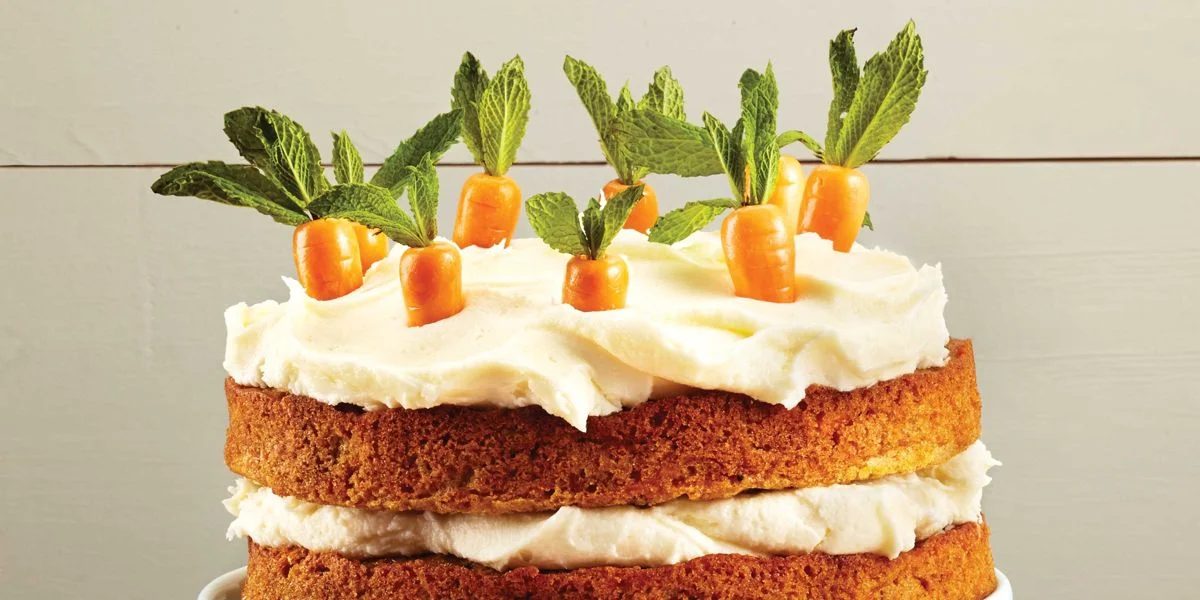
A beautifully baked cake does more than satisfy a sweet tooth. It creates memories around family tables, becomes the centerpiece of celebrations, and often inspires requests for second slices before the first serving is even finished. Among the many classic desserts that have earned a permanent place in home kitchens, carrot cake with cream cheese frosting stands in a category of its own. Its moist texture, warm spices, and rich frosting create a balance that feels comforting, indulgent, and timeless all at once.
I always find myself impressed by how a dessert built around such humble ingredients can produce such extraordinary results. Fresh carrots, simple pantry staples, and a handful of spices come together to create a cake with remarkable depth and character. The addition of tangy cream cheese frosting elevates the experience even further, transforming a simple spice cake into a dessert that consistently earns admiration from guests and family members alike.
Why Carrot Cake Has Endured for Generations
Food trends change constantly, but carrot cake continues to hold its place among the most beloved homemade desserts. Part of its appeal comes from its unique combination of flavors. Unlike cakes that rely solely on sweetness, carrot cake offers warmth, complexity, and subtle earthiness.
The grated carrots contribute moisture while enhancing the texture of the cake. Rather than tasting overtly of vegetables, the carrots blend seamlessly with spices and sugar to create a rich, flavorful crumb. This balance is one of the reasons carrot cake appeals to such a wide audience.
Another factor behind its popularity is versatility. Carrot cake feels equally appropriate at birthdays, Easter celebrations, holiday dinners, afternoon gatherings, and casual family meals. Few desserts transition between occasions as effortlessly as this one.
The Secret Behind Its Remarkable Texture
One of the defining characteristics of carrot cake is its moisture. A properly made carrot cake remains tender for days, making it one of the most reliable cakes for entertaining and advance preparation.
Freshly grated carrots release moisture during baking, helping create a soft crumb without making the cake heavy. Oil, which is commonly used instead of butter, also contributes to the cake’s signature tenderness.
I particularly appreciate how the texture remains rich without becoming dense. Each slice feels substantial while still maintaining a light, pleasant bite that encourages another forkful.
What Makes Cream Cheese Frosting Essential
While carrot cake is delicious on its own, cream cheese frosting is what truly completes the dessert. The frosting introduces tanginess that balances the sweetness of the cake while adding a silky, luxurious finish.
The slight acidity of cream cheese prevents the dessert from becoming overly rich. Instead, it creates contrast that enhances every flavor present in the cake.
Whenever I make carrot cake, I view the frosting as more than a topping. It acts as an essential component that brings all the elements together into a cohesive and memorable dessert.
Ingredients You’ll Need
For a traditional carrot cake with cream cheese frosting, I typically gather:
For the Cake
- 2 cups all-purpose flour
- 2 teaspoons baking soda
- 2 teaspoons ground cinnamon
- ½ teaspoon ground nutmeg
- ½ teaspoon ground ginger
- ½ teaspoon salt
- 1 cup vegetable oil
- 1½ cups granulated sugar
- ½ cup brown sugar
- 4 large eggs
- 2 teaspoons vanilla extract
- 3 cups finely grated carrots
For the Cream Cheese Frosting
- 8 ounces cream cheese, softened
- ½ cup unsalted butter, softened
- 4 cups powdered sugar
- 2 teaspoons vanilla extract
These ingredients combine to create a cake that is rich, moist, and perfectly balanced.
The Importance of Fresh Carrots
Fresh carrots are the heart of this recipe. Their natural sweetness and moisture contribute significantly to both flavor and texture.
I always prefer grating carrots by hand rather than purchasing pre-shredded varieties. Freshly grated carrots tend to be softer and release more moisture during baking, resulting in a superior crumb.
The carrots also distribute more evenly throughout the batter when grated finely. This creates a smoother texture and ensures that every bite contains the perfect balance of ingredients.
Building Flavor Through Warm Spices
Carrot cake would not be the same without its signature spice blend. Cinnamon provides warmth and sweetness, while nutmeg and ginger introduce additional complexity.
These spices work together rather than competing for attention. Each contributes its own character while supporting the overall flavor profile.
As the cake bakes, the aroma of these spices fills the kitchen. It is one of the most comforting scents in baking and often signals that something special is about to emerge from the oven.
Why Oil Creates a Better Crumb
Unlike many traditional cakes that rely on butter, carrot cake typically uses oil as its primary fat. This choice has a significant impact on texture.
Oil remains liquid at room temperature, helping the cake stay moist long after baking. As a result, carrot cake often tastes just as good the next day as it does when freshly baked.
I appreciate how oil contributes richness without weighing the cake down. The result is a crumb that feels tender, moist, and exceptionally satisfying.
Mixing the Batter Properly
Creating a successful carrot cake batter requires attention to balance. The wet and dry ingredients should be combined thoroughly while avoiding excessive mixing.
Once the flour is incorporated, gentle stirring helps preserve tenderness. Overmixing can develop too much gluten, potentially affecting the texture of the finished cake.
The grated carrots are folded in last, ensuring even distribution throughout the batter. At this point, the mixture becomes beautifully thick and fragrant.
Baking to Perfection
As the cake bakes, the batter transforms into a golden masterpiece. The spices become more aromatic, and the carrots soften into the crumb.
The cake is ready when a tester inserted into the center comes out clean or with only a few moist crumbs attached. Proper timing is important because overbaking can reduce the moisture that makes carrot cake so appealing.
Watching the layers rise and develop their rich color is always one of my favorite moments in the baking process.
Cooling Before Frosting
Patience is crucial once the cake leaves the oven. Allowing it to cool completely ensures that the frosting maintains its structure and appearance.
Applying frosting to a warm cake can cause it to melt and slide, diminishing both presentation and texture. The cooling period also allows the cake to settle and develop its full flavor.
Although waiting can be difficult, especially with the aroma still lingering in the kitchen, the final result is worth the extra time.
Creating the Perfect Cream Cheese Frosting
Cream cheese frosting begins with softened cream cheese and butter beaten together until smooth and fluffy. This creates the foundation for a frosting that is both rich and airy.
Powdered sugar is added gradually, creating sweetness while maintaining a silky consistency. Vanilla contributes warmth and rounds out the flavor profile beautifully.
The finished frosting should be smooth, spreadable, and slightly tangy. Its balance of sweetness and acidity is what makes it such a perfect companion for carrot cake.
Layering and Decorating the Cake
One of the most satisfying stages is assembling the cake. Generous layers of cream cheese frosting are spread between the cake layers before covering the exterior.
The frosting can be smoothed for an elegant finish or left with decorative swirls for a more rustic appearance. Both approaches highlight the homemade nature of the dessert.
A simple garnish of chopped nuts, carrot decorations, or a light dusting of cinnamon can provide an attractive finishing touch without overwhelming the cake’s natural beauty.
Why Texture Matters So Much
Carrot cake succeeds because of its remarkable balance of textures. The cake itself is moist and tender, while the frosting is creamy and smooth.
The grated carrots create subtle variation throughout the crumb, preventing the texture from feeling uniform or monotonous. This complexity makes each bite more interesting.
Together, the cake and frosting create an experience that feels rich without becoming heavy, which is one of the reasons carrot cake remains so popular.
Serving Suggestions
Carrot cake with cream cheese frosting is versatile enough to be served in numerous settings. It pairs beautifully with coffee, tea, or a cold glass of milk.
For special occasions, fresh berries can be served alongside each slice to introduce brightness and color. Their natural acidity complements the richness of the frosting particularly well.
The cake also performs exceptionally as a standalone dessert. Its balanced flavor profile ensures that it never requires elaborate accompaniments to shine.
Variations Worth Exploring
Although the traditional version remains my favorite, several additions can create exciting variations while preserving the cake’s essential character.
Chopped walnuts or pecans add crunch and nutty flavor. They pair naturally with the warm spices and enhance the overall texture.
Raisins can introduce bursts of sweetness throughout the cake. Some bakers also enjoy incorporating shredded coconut for additional richness and complexity.
Orange zest provides brightness and works beautifully alongside the spices, creating a slightly more vibrant flavor profile.
Common Mistakes to Avoid
One common mistake is using carrots that are grated too coarsely. Finely grated carrots distribute more evenly and contribute better moisture throughout the cake.
Overbaking can also reduce the cake’s signature tenderness. Monitoring baking time carefully helps preserve the moist texture that defines a great carrot cake.
Another issue involves frosting consistency. If the cream cheese or butter is too warm, the frosting may become overly soft. Proper ingredient temperature helps ensure a smooth and stable result.
Storing Leftovers
Carrot cake stores exceptionally well due to its naturally moist crumb. Covered and refrigerated, it can remain fresh for several days.
Many people find that the flavors actually improve after resting overnight. The spices become more integrated, creating an even richer taste experience.
Allowing refrigerated slices to sit briefly at room temperature before serving often provides the best texture and flavor.
Why This Dessert Continues to Impress
Few desserts achieve the balance of comfort and elegance found in carrot cake with cream cheese frosting. Its combination of moist cake, warm spices, and tangy frosting creates a flavor profile that appeals to a wide range of tastes.
The recipe also feels deeply rooted in tradition. Generations of bakers have embraced it because it consistently delivers excellent results while remaining approachable and versatile.
Its ability to feel equally suitable for casual gatherings and major celebrations is one of the many reasons it has remained a favorite for decades.
Final Thoughts
Carrot cake with cream cheese frosting is a testament to the power of simple ingredients thoughtfully combined. Fresh carrots, warm spices, and silky frosting come together to create a dessert that feels comforting, rich, and wonderfully timeless.
Whether served at a holiday gathering, birthday celebration, family dinner, or afternoon coffee break, carrot cake with cream cheese frosting continues to earn its reputation as one of the most beloved homemade desserts. Its moist texture, balanced flavor, and irresistible frosting ensure that each slice is every bit as satisfying as the last.