
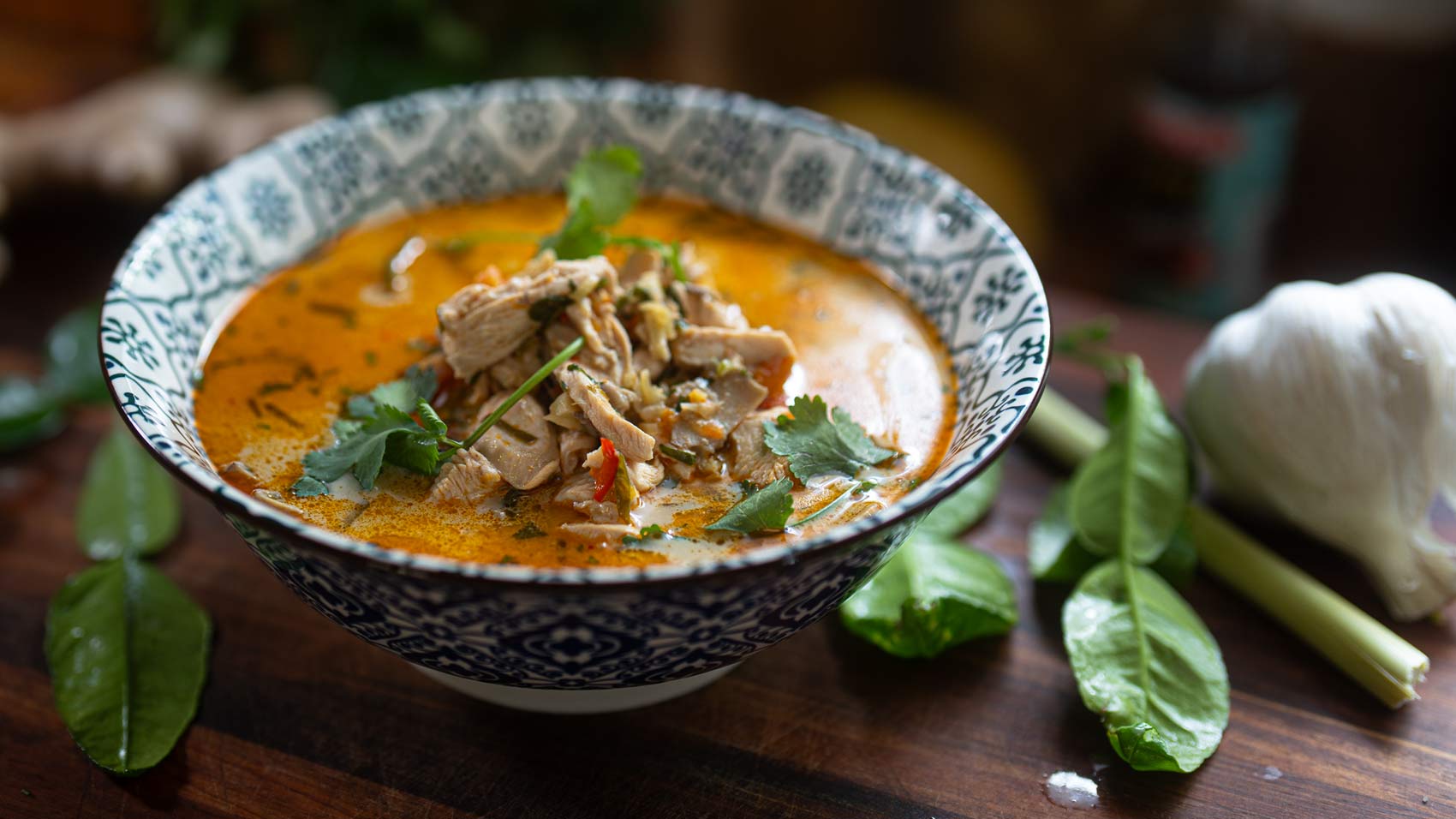
A great soup can transport you to another place with a single spoonful. The aroma, texture, and balance of flavors have the power to create an experience that feels far beyond the confines of your kitchen. Thai coconut chicken soup is one of those remarkable dishes. Rich coconut milk, tender chicken, fragrant herbs, and vibrant seasonings come together to create a soup that is both comforting and exciting. Every bowl delivers a beautiful contrast of creamy richness, bright citrus notes, gentle heat, and savory depth that makes it unforgettable.
I often find myself craving Thai coconut chicken soup when I want something that feels nourishing yet full of character. Unlike heavier cream-based soups, this recipe achieves its luxurious texture through coconut milk, which provides richness without overwhelming the palate. The combination of aromatic ingredients creates layers of flavor that unfold gradually with every bite. It is a soup that feels elegant enough for entertaining while remaining simple enough for a weeknight dinner.
Why Thai Cuisine Is So Beloved
Thai cuisine has earned worldwide admiration because of its extraordinary ability to balance contrasting flavors. Sweet, salty, sour, spicy, and savory elements are often present within a single dish, creating complexity without confusion.
This balance is one of the reasons Thai food feels so vibrant. Rather than relying heavily on a single flavor, it encourages harmony between multiple taste sensations. Each ingredient serves a purpose, contributing to an overall experience that feels complete.
I have always appreciated how Thai recipes manage to feel both comforting and invigorating at the same time. The flavors are bold, yet they remain balanced and approachable.
What Makes Thai Coconut Chicken Soup Unique
Thai coconut chicken soup stands apart from many traditional soups because it combines richness with freshness in equal measure. The coconut milk creates a creamy foundation, while ingredients such as lime juice, herbs, and aromatics keep the dish lively and bright.
The result is a soup that feels satisfying without becoming heavy. It delivers comfort while maintaining a freshness that encourages another spoonful.
This contrast between creamy and vibrant flavors is one of the qualities that makes the soup so memorable. It never feels one-dimensional.
The Role of Coconut Milk
Coconut milk serves as the heart of the soup. Its natural richness creates a silky texture while contributing subtle sweetness that balances the other ingredients.
Unlike dairy-based soups, coconut milk provides creaminess with a distinctive tropical character. This flavor works beautifully alongside the herbs and spices commonly found in Thai cooking.
I particularly enjoy how coconut milk softens the sharper elements of the soup while still allowing them to shine. It acts as both a flavor and a texture component, making it indispensable.
Ingredients You’ll Need
For a classic Thai coconut chicken soup, I typically gather:
For the Soup
- 1 tablespoon vegetable oil
- 1 pound boneless skinless chicken breast or thighs, sliced
- 4 cups chicken broth
- 2 cans coconut milk
- 1 stalk lemongrass, bruised and cut into pieces
- 3 slices fresh ginger or galangal
- 3 cloves garlic, minced
- 8 ounces mushrooms, sliced
- 1 small onion, thinly sliced
- 2 tablespoons fish sauce
- 1 tablespoon brown sugar
- 2 tablespoons lime juice
For Garnish
- Fresh cilantro
- Sliced green onions
- Lime wedges
- Thinly sliced chili peppers, optional
These ingredients combine to create a soup that is fragrant, creamy, and wonderfully balanced.
Why Chicken Works So Well
Chicken provides substance and protein while allowing the more delicate flavors of the broth to remain prominent. Its mild taste makes it the ideal canvas for the aromatic ingredients that define the soup.
Both chicken breasts and thighs work well, though thighs often remain slightly more tender during cooking. Regardless of the cut used, the chicken absorbs the surrounding flavors beautifully.
I enjoy how the chicken contributes heartiness without competing with the coconut milk, herbs, and citrus that make the soup unique.
Building Flavor With Aromatics
The foundation of Thai coconut chicken soup begins with aromatics. Garlic, ginger, and lemongrass create the fragrant base that gives the broth its distinctive character.
As these ingredients warm in the pot, they release essential oils that infuse the soup with complexity. Their aromas fill the kitchen and immediately signal that something special is underway.
This stage may seem simple, but it is critical. The aromatics establish the flavor profile that defines the entire dish.
The Magic of Lemongrass
Lemongrass is one of the signature ingredients in Thai cooking. It contributes a bright citrus aroma that feels fresh and invigorating without adding the sharp acidity associated with lemon juice.
As the soup simmers, the lemongrass infuses the broth with subtle complexity. Its fragrance blends beautifully with coconut milk and ginger, creating a flavor that feels distinctly Thai.
I find that lemongrass adds an unmistakable freshness that helps set this soup apart from other coconut-based recipes.
Why Ginger Adds Depth
Fresh ginger contributes warmth and gentle spice that complement the creamy coconut milk perfectly. Its flavor is aromatic rather than aggressive, enhancing the broth without overpowering it.
The ginger also provides balance, preventing the soup from feeling overly rich. Its brightness works alongside the lime juice to create a more dynamic flavor profile.
Together with lemongrass, ginger helps establish the vibrant character that makes the soup so appealing.
Creating a Rich Broth
Once the aromatics are fragrant, chicken broth and coconut milk are added to form the soup’s base. This combination creates a liquid that is both rich and flavorful.
The broth contributes savory depth, while the coconut milk introduces creaminess and subtle sweetness. Together, they create a foundation that supports the remaining ingredients beautifully.
As the soup simmers, the flavors begin blending into a cohesive whole. The broth becomes increasingly fragrant and inviting with each passing minute.
Adding Mushrooms for Texture
Mushrooms are a common addition because they contribute both texture and savory flavor. Their earthy character complements the richness of the coconut milk particularly well.
As they cook, mushrooms absorb some of the broth while releasing their own flavor into the soup. This exchange enriches the overall taste and creates additional complexity.
I appreciate how mushrooms provide substance without making the soup feel heavy. They blend naturally into the dish while enhancing its character.
Balancing Sweet and Savory Elements
One of the hallmarks of Thai cuisine is balance. Fish sauce and brown sugar work together to create a harmony of savory and sweet flavors that enrich the broth.
Fish sauce contributes umami and depth, while the sugar softens sharper edges and rounds out the overall flavor. Neither ingredient should dominate.
The goal is subtle balance. When properly combined, these ingredients create a broth that feels layered and complete.
The Importance of Lime Juice
Lime juice is added near the end of cooking to preserve its freshness. Its acidity brightens the soup and balances the richness of the coconut milk.
Without lime juice, the broth can feel somewhat heavy. The citrus introduces contrast and helps highlight the other flavors throughout the dish.
I often serve extra lime wedges alongside the soup because a final squeeze just before eating adds remarkable freshness.
Gentle Heat and Spice
Thai coconut chicken soup is often associated with mild heat, though the level can be adjusted according to personal preference. Fresh chilies or chili flakes can introduce warmth without overwhelming the dish.
The spice should complement the other flavors rather than dominate them. A gentle heat creates excitement while preserving the balance that makes the soup so enjoyable.
I generally prefer moderate spice levels that allow the coconut, herbs, and citrus to remain prominent.
Why Texture Matters
Texture plays an important role in the overall experience of the soup. Tender chicken, soft mushrooms, silky broth, and fresh garnishes create contrast that keeps every spoonful interesting.
The creamy liquid coats the ingredients beautifully while remaining light enough to feel refreshing. This balance contributes significantly to the soup’s appeal.
A successful bowl should feel rich and satisfying while maintaining a sense of freshness and lightness.
Garnishes That Elevate the Soup
Fresh garnishes add color, flavor, and texture. Cilantro contributes brightness, while green onions introduce a mild sharpness that contrasts beautifully with the creamy broth.
Thinly sliced chilies can add visual appeal and additional heat. Lime wedges allow each person to customize the citrus level according to preference.
I rarely skip the garnishes because they provide a final layer of freshness that enhances the entire dish.
Serving Suggestions
Thai coconut chicken soup is substantial enough to serve as a complete meal, but it pairs beautifully with several accompaniments.
Steamed jasmine rice can be served alongside or added directly to the soup. The rice absorbs the flavorful broth while adding heartiness.
For a lighter meal, the soup can stand entirely on its own. Its balance of protein, vegetables, and rich broth makes it satisfying without additional dishes.
Variations Worth Exploring
Although the traditional version remains a favorite, there are many opportunities for customization.
Shrimp can replace chicken for a seafood variation that pairs beautifully with the coconut broth. Tofu offers an excellent vegetarian alternative.
Additional vegetables such as bell peppers, baby spinach, or snap peas can introduce color and texture while maintaining the soup’s character.
Each variation offers a unique experience while preserving the essence of the recipe.
Common Mistakes to Avoid
One common mistake is boiling the coconut milk aggressively. Gentle simmering helps maintain its smooth texture and prevents separation.
Adding lime juice too early can also reduce its brightness. Incorporating it near the end preserves its fresh flavor.
Overseasoning with fish sauce may overwhelm the delicate balance of the soup. Small adjustments and frequent tasting produce the best results.
Storing and Reheating
Thai coconut chicken soup stores well in the refrigerator for several days. The flavors often deepen overnight, creating an even richer tasting broth.
Reheating should be done gently over moderate heat to preserve the texture of the coconut milk. Excessive boiling can affect consistency.
Because it reheats beautifully, the soup is an excellent choice for meal preparation and leftovers.
Why This Soup Continues to Win Fans Worldwide
Thai coconut chicken soup combines many qualities people seek in a memorable meal. It is comforting yet refreshing, rich yet balanced, and complex without being difficult to prepare.
Its unique blend of coconut milk, herbs, citrus, and savory seasonings creates a flavor profile that feels exciting while remaining approachable. The result is a dish that appeals to both adventurous eaters and those seeking familiar comfort.
Few soups manage to strike this balance so successfully, which helps explain its enduring popularity around the world.
Final Thoughts
Thai coconut chicken soup is a beautiful example of how contrasting flavors can work together in perfect harmony. Creamy coconut milk, tender chicken, fragrant aromatics, fresh lime juice, and savory seasonings create a soup that is rich, vibrant, and deeply satisfying.
Whether enjoyed as a comforting weeknight dinner or served to guests during a special gathering, Thai coconut chicken soup delivers warmth, flavor, and elegance in every bowl. Its balance of creamy richness and bright freshness ensures that it remains one of the most beloved soups in Thai-inspired cooking.