
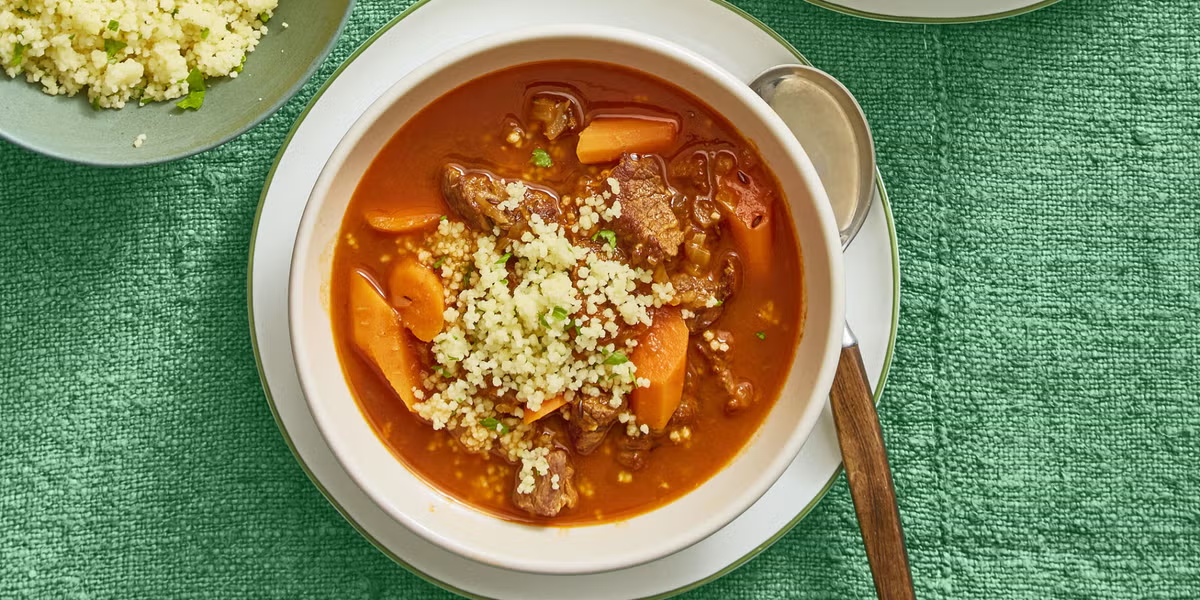
A bowl of homemade soup has a way of bringing comfort that few meals can match. The aroma that fills the kitchen as ingredients slowly simmer together creates anticipation long before the first spoonful is served. Among the many soups that have earned a permanent place in family recipe collections, hearty beef and vegetable soup stands out as one of the most satisfying. Packed with tender beef, colorful vegetables, and a rich broth, it delivers warmth, nourishment, and flavor in every bite.
I often find myself making this soup when I want a meal that feels substantial without requiring complicated techniques. It is the kind of recipe that transforms simple ingredients into something far greater than the sum of their parts. The slow simmering process allows the flavors to deepen and develop, creating a soup that tastes as though it has been perfected over generations. Whether served on a cold winter evening or enjoyed as a comforting meal after a long day, hearty beef and vegetable soup rarely fails to satisfy.
Why Beef and Vegetable Soup Remains a Classic
Food trends come and go, but certain dishes remain popular because they consistently deliver what people want. Hearty beef and vegetable soup is one of those timeless recipes. It combines protein, vegetables, and a flavorful broth into a single meal that feels complete and balanced.
One reason this soup continues to be loved is its versatility. It can be adapted to seasonal ingredients, customized according to personal preferences, and prepared in large batches for future meals. Few recipes are as flexible while remaining so consistently satisfying.
I also appreciate its practicality. The ingredients are widely available, the preparation is straightforward, and the finished soup often tastes even better the following day.
The Comfort of Slow-Simmered Meals
Some dishes reward patience, and soup is certainly among them. Allowing ingredients to simmer gently gives flavors time to blend and deepen in ways that cannot be rushed.
As beef cooks slowly, it becomes tender and flavorful. Vegetables soften and release their natural sweetness into the broth. The result is a meal with remarkable depth and richness.
The process itself is comforting. Watching a pot gently bubble on the stove while the kitchen fills with savory aromas creates a sense of warmth that begins long before the meal is served.
What Makes This Soup So Filling
Many soups serve as appetizers or side dishes, but hearty beef and vegetable soup can easily stand alone as a complete meal. The combination of beef and vegetables provides substance while maintaining balance.
The beef contributes protein and richness, while the vegetables add texture, flavor, and nutritional value. Together, they create a soup that satisfies hunger without feeling excessively heavy.
This balance is one of the reasons the recipe works so well for family dinners. It appeals to a wide range of tastes while offering enough substance to keep everyone satisfied.
Ingredients You’ll Need
For a classic hearty beef and vegetable soup, I typically gather:
For the Soup
- 2 tablespoons olive oil
- 1½ pounds beef stew meat, cut into bite-sized pieces
- 1 medium onion, diced
- 3 cloves garlic, minced
- 8 cups beef broth
- 2 tablespoons tomato paste
- 3 carrots, sliced
- 3 celery stalks, sliced
- 2 potatoes, diced
- 1 cup green beans, trimmed and cut
- 1 cup corn kernels
- 1 can diced tomatoes
- 1 teaspoon dried thyme
- 1 teaspoon dried oregano
- 1 bay leaf
- Salt and black pepper to taste
- Fresh parsley for garnish
These ingredients create a soup that is rich, colorful, and deeply satisfying.
Starting With Quality Beef
The beef serves as the foundation of the soup’s flavor. Stew meat is an excellent choice because it becomes tender during the long cooking process.
I prefer browning the beef before adding liquid. This extra step creates caramelization that enhances the overall flavor of the broth and adds depth to the finished soup.
The transformation that occurs during simmering is remarkable. What begins as firm pieces of meat gradually becomes tender enough to cut effortlessly with a spoon.
Building Flavor Through Browning
Browning the beef is one of the most important stages of preparation. As the meat develops a rich golden crust, complex flavors begin to form.
The browned bits left behind in the pot contribute additional depth once the broth is added. These flavorful remnants dissolve into the liquid, enriching the entire soup.
Whenever I make hearty beef and vegetable soup, I resist the temptation to rush this step. The extra time invested pays significant dividends in flavor.
The Importance of Aromatics
After the beef is browned, onion and garlic are added to the pot. These ingredients form the aromatic foundation that supports the entire recipe.
As the onions soften, they release natural sweetness that balances the savory broth. Garlic contributes warmth and complexity without overpowering the other ingredients.
The fragrance that develops during this stage is often the first indication of how delicious the finished soup will become.
Why Tomato Paste Makes a Difference
Tomato paste may seem like a small addition, but it contributes tremendous depth to the soup. Its concentrated flavor enriches the broth while adding subtle sweetness and acidity.
Cooking the tomato paste briefly before adding liquid helps intensify its flavor. This simple technique enhances the overall complexity of the soup.
I find that tomato paste creates a richer and more robust broth without making the soup taste overtly tomato-based.
Creating a Rich Broth
Once the aromatics and tomato paste are ready, beef broth is added to create the liquid foundation of the soup. The broth absorbs flavors from every ingredient as the soup simmers.
A good broth should feel savory, balanced, and deeply satisfying. It serves as the vehicle that ties all the components together.
As the soup cooks, the broth gradually becomes richer and more flavorful, reflecting the contributions of the beef, vegetables, herbs, and seasonings.
Adding the Vegetables
Vegetables transform this soup from a simple beef dish into a complete meal. Carrots, celery, potatoes, green beans, and corn each bring unique qualities.
Carrots contribute sweetness and vibrant color. Celery adds freshness and subtle earthiness. Potatoes provide heartiness, while green beans and corn introduce additional texture.
Together, these vegetables create a diverse and appealing mixture that keeps every spoonful interesting.
Why Potatoes Belong in This Soup
Potatoes play a particularly important role because they add substance and help make the soup more filling. Their mild flavor allows them to absorb the surrounding broth beautifully.
As they cook, potatoes become tender while maintaining enough structure to contribute texture. They also release a small amount of starch, which helps give the broth additional body.
I often consider potatoes one of the ingredients that transforms the soup into a truly complete meal.
The Role of Herbs and Seasonings
Thyme, oregano, and bay leaf provide subtle layers of flavor that enhance the soup without drawing attention to themselves.
These herbs contribute warmth and complexity while supporting the beef and vegetables. Their presence may not be immediately obvious, but the soup would feel incomplete without them.
Seasoning with salt and pepper throughout the cooking process ensures that every ingredient contributes fully to the final flavor profile.
The Magic of Simmering
The true transformation occurs during the simmering stage. As the soup cooks gently, the ingredients begin sharing their flavors with one another.
The beef becomes increasingly tender, the vegetables soften, and the broth grows richer with every passing minute. Patience is rewarded with a depth of flavor that cannot be achieved through shortcuts.
I often find this stage particularly satisfying because the kitchen fills with aromas that signal something comforting and delicious is on the way.
Achieving the Perfect Texture
A successful hearty beef and vegetable soup should offer a balance of textures. The beef should be tender, the vegetables soft but not mushy, and the broth rich without being overly thick.
Maintaining this balance requires attention to timing. Vegetables should retain enough structure to provide contrast while blending naturally into the overall dish.
The variety of textures is one of the qualities that makes the soup feel substantial and satisfying.
Serving Suggestions
This soup is wonderfully versatile when it comes to serving options. A slice of crusty bread is often all that is needed to create a complete and satisfying meal.
The bread provides an excellent way to soak up the flavorful broth while adding another layer of texture to the dining experience.
For larger meals, a simple green salad can introduce freshness that complements the richness of the soup beautifully.
Why Fresh Parsley Matters
A sprinkle of fresh parsley may seem like a minor detail, but it contributes both flavor and visual appeal. Its bright color contrasts beautifully with the rich broth and colorful vegetables.
The fresh herbal notes help lighten the overall flavor profile and provide a finishing touch that makes the soup feel complete.
I rarely serve this soup without parsley because the final garnish enhances both appearance and taste.
Variations Worth Exploring
Although the traditional version remains my favorite, there are many ways to adapt the recipe.
Peas can be added for additional sweetness and color. Mushrooms introduce earthiness and complement the beef particularly well.
Barley is another excellent addition for those seeking extra heartiness. It absorbs the broth beautifully while contributing texture and nutritional value.
Different vegetables can also be incorporated depending on the season and what happens to be available.
Common Mistakes to Avoid
One common mistake is rushing the cooking process. Beef requires time to become tender, and shortening the simmering period can affect both texture and flavor.
Adding all vegetables simultaneously can also lead to uneven results. Some vegetables cook more quickly than others and may become overly soft if added too early.
Underseasoning is another frequent issue. Proper seasoning helps highlight the flavors of every ingredient and creates a more balanced soup.
Storing and Reheating
Hearty beef and vegetable soup stores exceptionally well. In fact, many people believe it tastes even better the following day.
As the soup rests, the flavors continue to develop and blend together. This makes it an excellent option for meal preparation and leftovers.
Reheating gently on the stove helps preserve the texture of the vegetables while restoring the soup’s comforting warmth.
Why This Soup Continues to Be a Family Favorite
Few recipes offer the combination of comfort, nutrition, and flavor found in hearty beef and vegetable soup. It provides warmth on cold days, nourishment after busy schedules, and a sense of familiarity that many meals cannot match.
Its versatility, affordability, and ability to feed a crowd have helped secure its place in kitchens around the world. The recipe feels timeless because it satisfies needs that never go out of style.
Each bowl delivers the kind of comfort that reminds people why homemade soup has remained a staple for generations.
Final Thoughts
Hearty beef and vegetable soup is a celebration of simple ingredients transformed through patience and care. Tender beef, colorful vegetables, aromatic herbs, and a rich broth come together to create a meal that is both nourishing and deeply satisfying.
Whether served with crusty bread on a cold evening or enjoyed as leftovers the next day, hearty beef and vegetable soup continues to prove why it remains one of the most beloved comfort foods. Its rich flavor, wholesome ingredients, and timeless appeal ensure that it will remain a favorite for years to come.