
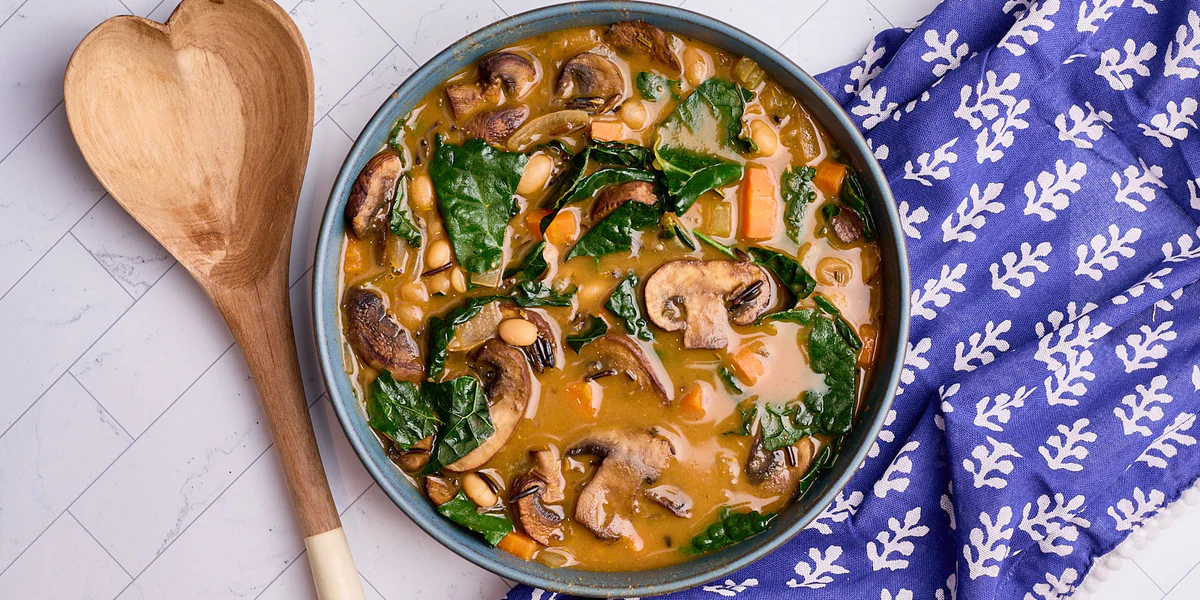
A bowl of homemade soup has a unique ability to transform simple ingredients into something comforting, elegant, and deeply satisfying. Among the many classic soups that have earned a permanent place in kitchens around the world, creamy mushroom soup stands out for its rich flavor and remarkable versatility. Made from scratch, it offers a depth and freshness that far surpasses anything found in a can. The earthy aroma of mushrooms, the richness of cream, and the silky texture of a carefully crafted broth combine to create a soup that feels equally appropriate for a cozy weeknight dinner or a sophisticated gathering.
I often return to creamy mushroom soup from scratch because it highlights how a handful of humble ingredients can produce extraordinary results. Mushrooms have a naturally savory quality that develops beautifully during cooking, creating a flavor profile that feels rich and complex without requiring dozens of ingredients. The process itself is enjoyable, filling the kitchen with inviting aromas while gradually transforming fresh vegetables and mushrooms into a luxurious meal. Whether served as a starter or enjoyed as the centerpiece of lunch, this soup consistently delivers comfort and elegance in every spoonful.
Why Mushroom Soup Remains a Classic
Certain recipes endure because they strike the perfect balance between simplicity and flavor. Mushroom soup has remained popular for generations because it delivers both. Its earthy, savory character appeals to a wide range of tastes while offering a richness that feels satisfying without becoming overly heavy.
Part of its appeal lies in its versatility. It can be served on its own, paired with bread, used as a sauce component, or incorporated into countless recipes. Few soups adapt so easily to different occasions and culinary styles.
I also appreciate the way mushroom soup showcases the natural flavor of its primary ingredient. Rather than masking the mushrooms, the recipe celebrates them, allowing their distinctive qualities to take center stage.
The Beauty of Cooking From Scratch
Preparing creamy mushroom soup from scratch offers benefits that extend beyond flavor. Homemade soup allows complete control over ingredients, texture, and seasoning, making it possible to create a version tailored perfectly to personal preferences.
Store-bought soups often rely on additives, preservatives, and excessive sodium. Making the soup at home produces a fresher, more vibrant result that highlights the quality of the ingredients.
One of my favorite aspects of cooking from scratch is the connection it creates with the food itself. Watching simple ingredients transform into something rich and comforting makes the meal feel more rewarding.
What Makes Mushrooms So Special
Mushrooms possess a remarkable depth of flavor that sets them apart from many other vegetables. Their naturally savory character contributes richness and complexity to dishes without requiring heavy seasonings.
As mushrooms cook, they release moisture and develop deeper flavors. This transformation creates the earthy notes that make mushroom soup so distinctive and satisfying.
I find that mushrooms offer a unique ability to create richness while remaining relatively light. They provide substance and flavor without overwhelming the dish.
Ingredients You’ll Need
For a classic creamy mushroom soup from scratch, I typically gather:
For the Soup
- 2 tablespoons butter
- 1 tablespoon olive oil
- 1 medium onion, finely diced
- 3 cloves garlic, minced
- 2 pounds mushrooms, sliced
- ¼ cup all-purpose flour
- 4 cups vegetable or chicken broth
- 1 cup heavy cream
- 1 teaspoon fresh thyme leaves
- 1 teaspoon salt
- ½ teaspoon black pepper
For Garnish
- Fresh parsley, chopped
- Additional sautéed mushrooms
- Crusty bread for serving
These ingredients create a soup that is rich, smooth, and packed with mushroom flavor.
Choosing the Best Mushrooms
The choice of mushrooms has a significant impact on the final flavor. While white button mushrooms work perfectly well, combining different varieties can create additional complexity.
Cremini mushrooms provide a deeper, earthier flavor, while shiitake mushrooms contribute richness and subtle smokiness. Mixing varieties often results in a more interesting and layered soup.
I enjoy experimenting with different combinations depending on availability. Each variety contributes unique qualities that enhance the final dish.
Building Flavor With Aromatics
The cooking process begins with onions and garlic sautéed in butter and olive oil. These aromatics establish the flavor foundation upon which the entire soup is built.
As the onions soften, they release natural sweetness that balances the earthy character of the mushrooms. The garlic contributes warmth and complexity without dominating the flavor profile.
The aroma that develops during this stage signals the beginning of something truly comforting. Even before the mushrooms are added, the kitchen begins to feel inviting.
The Importance of Properly Cooking Mushrooms
Mushrooms require patience to reach their full potential. At first, they release a significant amount of moisture, which can make the pan appear crowded and wet.
As cooking continues, that moisture gradually evaporates, allowing the mushrooms to brown and develop deeper flavor. This step is crucial because it concentrates their natural richness.
I never rush this stage. Allowing the mushrooms sufficient time to caramelize results in a soup with noticeably greater depth and complexity.
Why Browning Adds So Much Flavor
Browning is one of the most important techniques in this recipe. As the mushrooms develop golden edges, they create savory compounds that contribute richness throughout the soup.
The difference between lightly cooked mushrooms and properly browned mushrooms is substantial. The latter provide the robust flavor that makes homemade mushroom soup so memorable.
Those deep, caramelized notes become the backbone of the finished dish, giving it a complexity that feels far more sophisticated than the ingredient list might suggest.
Creating a Velvety Base
Once the mushrooms have developed their flavor, flour is added to create a roux. This simple step helps thicken the soup and contributes to its luxurious texture.
The flour is cooked briefly before broth is introduced gradually. As the liquid combines with the roux, the soup begins developing its characteristic body and smoothness.
Watching the broth transform into a creamy base is one of the most satisfying moments in the cooking process. It marks the transition from sautéed ingredients to a true soup.
Why Broth Matters
A quality broth enhances every ingredient in the pot. Whether using vegetable broth or chicken broth, the liquid serves as the medium through which flavors blend and develop.
The broth carries the savory notes of the mushrooms, onions, garlic, and herbs while adding depth of its own. A well-made broth contributes significantly to the richness of the finished soup.
I generally prefer a low-sodium broth because it allows for greater control over seasoning as the soup cooks.
The Role of Thyme
Thyme and mushrooms have long been a natural pairing. The herb’s earthy, slightly floral notes complement the mushrooms beautifully without overpowering them.
Even a small amount of thyme can elevate the soup, adding subtle complexity and warmth. It enhances the natural characteristics of the mushrooms while helping create a more rounded flavor profile.
I find that thyme contributes an understated elegance that suits the soup perfectly.
Blending for the Perfect Consistency
One of the defining characteristics of creamy mushroom soup is its texture. Some cooks prefer a completely smooth soup, while others enjoy retaining a bit of mushroom texture.
I often blend only part of the soup, creating a consistency that feels both silky and substantial. This approach preserves some mushroom pieces while delivering the creamy texture people expect.
The result is a soup that feels luxurious without losing the character of its ingredients.
Adding the Cream
Heavy cream is added near the end of cooking, transforming the soup into a rich and velvety dish. The cream softens the earthy intensity of the mushrooms while contributing a smooth finish.
The goal is not to overpower the mushrooms but to enhance their flavor. Properly balanced cream creates richness while allowing the mushrooms to remain the star.
As the cream incorporates into the soup, the color becomes lighter and the texture noticeably more luxurious.
Balancing Flavor and Texture
A successful creamy mushroom soup should offer a balance between richness and freshness. The mushrooms provide depth, the cream contributes smoothness, and the herbs add brightness.
Achieving this balance ensures that the soup feels satisfying without becoming heavy. Each spoonful should deliver multiple layers of flavor while maintaining a cohesive overall profile.
This harmony is one of the reasons the soup remains so appealing despite its simplicity.
Serving Suggestions
Creamy mushroom soup pairs beautifully with crusty bread. The bread provides texture and allows diners to enjoy every bit of the flavorful broth.
A toasted baguette or rustic sourdough loaf complements the soup particularly well. The crisp exterior contrasts nicely with the silky texture of the soup.
For a more substantial meal, a fresh green salad can provide brightness and balance alongside the richness of the soup.
Garnishes That Enhance the Experience
A thoughtful garnish can elevate both flavor and presentation. Fresh parsley introduces color and freshness, creating contrast against the creamy backdrop.
Additional sautéed mushrooms add visual appeal while reinforcing the soup’s primary flavor. Their texture also provides an enjoyable contrast to the smooth base.
I often use both garnishes because they make the soup feel complete without requiring significant additional effort.
Flavor Variations Worth Exploring
Although the classic version remains my favorite, several variations can introduce new dimensions.
A splash of white wine added during cooking contributes acidity and complexity. The alcohol cooks away, leaving behind subtle flavor that complements the mushrooms beautifully.
Roasted garlic can replace fresh garlic for a sweeter, deeper character. Parmesan cheese stirred into the soup adds richness and savory depth.
Each variation offers a slightly different experience while preserving the essence of the dish.
Common Mistakes to Avoid
One common mistake is overcrowding the mushrooms during cooking. Excess moisture prevents proper browning and can limit flavor development.
Adding cream too early can also affect texture and diminish the freshness of the finished soup. Incorporating it near the end helps maintain balance.
Underseasoning is another frequent issue. Mushrooms absorb flavor readily, making proper seasoning essential for achieving the best results.
Storing and Reheating
Creamy mushroom soup stores exceptionally well in the refrigerator. The flavors often deepen overnight, making leftovers particularly enjoyable.
Reheating should be done gently to preserve the texture of the cream. Excessive heat can affect consistency and diminish some of the soup’s delicate qualities.
A small splash of broth or cream can help restore the desired texture if the soup thickens during storage.
Why This Soup Continues to Be a Favorite
Creamy mushroom soup from scratch combines comfort, elegance, and remarkable flavor in a single bowl. It demonstrates how simple ingredients can become extraordinary through thoughtful preparation and attention to detail.
Its versatility makes it suitable for casual meals and special occasions alike. The rich flavor appeals to a wide audience, while its refined character ensures it never feels ordinary.
That balance of comfort and sophistication is one of the reasons the soup continues to enjoy enduring popularity.
Final Thoughts
Creamy mushroom soup from scratch is a celebration of rich flavor and simple ingredients. Earthy mushrooms, aromatic vegetables, fresh herbs, and velvety cream come together to create a soup that is both comforting and elegant.
Whether served with crusty bread on a cool evening or presented as the first course of a special meal, creamy mushroom soup from scratch delivers satisfaction in every spoonful. Its timeless appeal proves that some of the finest dishes are built not on complexity, but on quality ingredients prepared with care.