
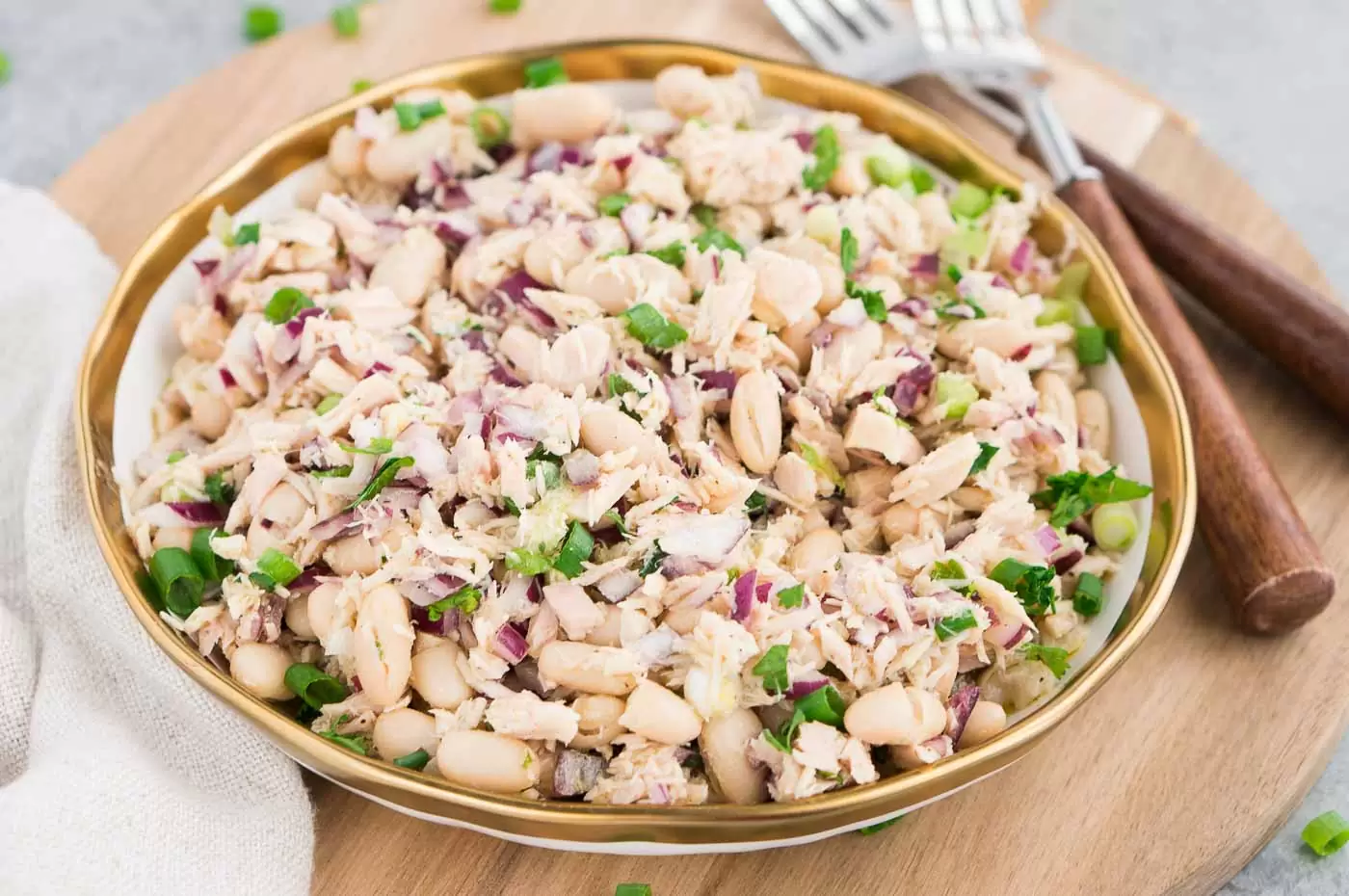
A handful of pantry staples can sometimes produce the most satisfying meals, and a tuna and white bean salad is one of the best examples I know. Simple ingredients come together to create a dish that is hearty, flavorful, and surprisingly elegant. It offers the kind of balance I often look for in everyday cooking, delivering enough substance to satisfy while still feeling fresh and light.
What makes this salad particularly appealing is its versatility. It works equally well as a quick lunch, a simple dinner, or a side dish for a larger meal. The combination of tender white beans, flaky tuna, crisp vegetables, and a bright dressing creates layers of texture and flavor that make every bite interesting. Despite its simplicity, it feels thoughtfully composed and endlessly enjoyable.
Why Tuna and White Beans Are a Perfect Match
Some ingredient pairings seem almost effortless, and tuna with white beans is certainly one of them. The rich, savory flavor of tuna complements the creamy texture of the beans in a way that feels both comforting and satisfying.
I have always appreciated how white beans absorb surrounding flavors without losing their own character. They provide a mild, earthy backdrop that allows the tuna to shine while adding enough substance to make the salad feel like a complete meal.
Together, these ingredients create a balance of textures that works remarkably well. The tuna remains tender and flaky, while the beans contribute creaminess and body. The combination is filling without being heavy, making it suitable for nearly any occasion.
Choosing the Best Tuna
The quality of the tuna can have a significant impact on the finished salad. Since it serves as one of the primary ingredients, selecting a good variety is worth the effort.
I generally prefer tuna packed in olive oil because it tends to be more flavorful and moist. The oil enhances the texture while contributing richness that blends naturally with the dressing. Water-packed tuna can also work well, particularly for those who prefer a lighter result, but I often find olive oil-packed varieties deliver more depth.
Solid or chunk-style tuna provides the best texture for salads. Large flakes create visual appeal and ensure that the fish remains distinct rather than disappearing into the other ingredients.
Freshness matters as well. A high-quality tuna should taste clean and savory, complementing the beans rather than overwhelming them.
The Importance of White Beans
White beans provide the foundation that transforms this dish from a simple tuna salad into something far more substantial. Their creamy texture creates contrast while helping the salad feel hearty and satisfying.
Cannellini beans are often my first choice because of their smooth texture and mild flavor. They absorb dressings beautifully while maintaining their shape, making them ideal for salads.
Great Northern beans also work wonderfully. Their slightly firmer texture creates additional contrast, while their delicate flavor pairs naturally with tuna and fresh vegetables.
Whichever variety is used, the beans should be tender but not mushy. Proper texture allows them to complement the tuna while preserving the integrity of the dish.
Fresh Vegetables Bring Balance
Although tuna and beans form the heart of the salad, fresh vegetables provide the brightness and crunch that make it truly memorable.
Red onion is one of my favorite additions because of its sharp, slightly sweet flavor. Thin slices add complexity without overpowering the other ingredients. The color also contributes visual contrast that makes the salad more appealing.
Celery introduces crispness and freshness. Its crunchy texture contrasts beautifully with the soft beans and flaky tuna, ensuring that the salad never feels monotonous.
Cherry tomatoes can add bursts of sweetness and acidity. Their juicy character lightens the dish while creating another layer of flavor that complements both the tuna and beans.
Why Fresh Herbs Make a Difference
Fresh herbs have a remarkable ability to elevate simple ingredients. In a tuna and white bean salad, they bring brightness and aroma that tie everything together.
Parsley is one of my preferred choices because its clean flavor complements seafood naturally. Chopped finely, it distributes evenly throughout the salad and contributes freshness to every bite.
Fresh basil can also work beautifully, especially during warmer months. Its fragrant character pairs particularly well with tomatoes and olive oil, creating a slightly Mediterranean feel.
The addition of herbs may seem minor, but it often transforms the salad from good to exceptional.
Building a Bright and Simple Dressing
One of the reasons I enjoy this salad so much is that it requires only a straightforward dressing. The ingredients already provide plenty of flavor, so the goal is to enhance rather than mask them.
Extra virgin olive oil serves as the base. Its richness coats the beans and tuna while contributing a fruity note that complements the other ingredients.
Fresh lemon juice adds acidity and brightness. It cuts through the richness of the tuna and beans while bringing freshness to the entire dish. The citrus also highlights the flavors of the herbs and vegetables.
A little Dijon mustard can add subtle complexity, while salt and freshly cracked black pepper help bring everything into balance. Together, these ingredients create a dressing that feels vibrant without being overpowering.
The Role of Lemon in the Salad
Lemon deserves special attention because it contributes more than simple acidity. Its bright flavor helps unify all the ingredients while preventing the salad from feeling too rich.
I often add both lemon juice and a small amount of zest. The juice provides freshness, while the zest contributes concentrated citrus oils that add aroma and depth.
This combination creates a liveliness that complements the tuna perfectly. It also helps highlight the creamy texture of the beans and the freshness of the vegetables.
Few ingredients can transform a simple salad as effectively as fresh lemon.
Proper Assembly Creates Better Results
Although the recipe is straightforward, thoughtful assembly helps ensure every serving contains a balanced mix of ingredients.
I begin by placing the beans in a large bowl and adding the vegetables and herbs. This allows the dressing to coat everything evenly before the tuna is introduced.
The tuna is added last and folded in gently. This helps preserve its flaky texture and prevents it from breaking apart excessively. Maintaining distinct pieces of tuna creates a more attractive presentation and a better eating experience.
The salad can be served immediately, but allowing it to rest for a short time often helps the flavors meld together more thoroughly.
Turning It Into a Complete Meal
While the salad is satisfying on its own, it can easily become a more substantial meal with a few simple additions.
Crusty bread is perhaps the most natural companion. Its chewy texture pairs beautifully with the creamy beans and allows diners to enjoy every bit of the flavorful dressing.
Mixed greens can also expand the dish while adding freshness. Arugula, spinach, or baby kale provide additional color and texture without distracting from the main ingredients.
For an even heartier meal, boiled potatoes can be incorporated into the salad. Their mild flavor complements the tuna and beans while making the dish more filling.
Why This Salad Is Perfect for Busy Days
One of the qualities I appreciate most about a tuna and white bean salad is how quickly it comes together. Most of the ingredients are pantry staples, making it possible to prepare a satisfying meal without extensive planning.
The salad requires very little cooking, which is particularly appealing during warmer months when spending long periods near a stove feels less desirable. With a few fresh ingredients and a simple dressing, dinner can be ready in minutes.
Its convenience does not come at the expense of flavor. Despite the minimal effort involved, the result feels thoughtful and complete.
Excellent for Meal Preparation
This salad is also one of my favorite options for meal prep. Unlike delicate salads that wilt quickly, the beans and tuna hold up exceptionally well in the refrigerator.
The flavors often improve after a few hours as the dressing has time to penetrate the ingredients. The beans absorb some of the lemon and olive oil, creating an even more cohesive flavor profile.
Preparing a large batch can provide several lunches or quick dinners throughout the week. Its durability makes it an excellent choice for anyone seeking convenient yet satisfying meals.
Seasonal Variations Worth Exploring
One of the reasons this salad remains a regular part of my rotation is its adaptability. Small seasonal adjustments can create entirely new experiences while preserving the core appeal of the dish.
During summer, cucumbers and ripe tomatoes add freshness and brightness. Their juicy texture complements the tuna and beans beautifully while creating a lighter overall feel.
In cooler months, roasted red peppers can introduce sweetness and depth. Their smoky flavor pairs naturally with the tuna while adding vibrant color to the salad.
Olives, capers, or artichoke hearts can also contribute a Mediterranean influence that works exceptionally well with the existing ingredients.
Common Mistakes to Avoid
One of the most common mistakes is overmixing the tuna. Excessive stirring can break it into tiny pieces, diminishing both texture and presentation. Gentle folding preserves the flaky character that makes the salad so appealing.
Another issue is under-seasoning. Beans absorb flavor readily, so adequate salt and acidity are essential for creating a vibrant dish.
Using low-quality tuna can also affect the final result. Since tuna is one of the primary ingredients, investing in a good-quality variety pays noticeable dividends in flavor and texture.
What Makes This Salad So Popular
A tuna and white bean salad continues to be a favorite because it combines convenience, nutrition, and flavor in a single dish. It requires minimal preparation yet delivers a satisfying and balanced meal.
The creamy beans, flaky tuna, crisp vegetables, and bright dressing create a combination that feels both rustic and refined. Every ingredient contributes something meaningful, ensuring the salad remains interesting from the first bite to the last.
Its versatility only adds to its appeal. It can be served as a light lunch, a hearty dinner, or a side dish at a gathering without requiring significant adjustments.
Final Thoughts
A tuna and white bean salad demonstrates how simple ingredients can create exceptional results. Tender beans, flavorful tuna, crisp vegetables, fresh herbs, and a bright lemon dressing come together in a dish that feels satisfying, wholesome, and endlessly versatile.
What I appreciate most about this recipe is its balance. It delivers richness without heaviness, freshness without complexity, and convenience without sacrificing flavor. Every ingredient has a purpose, and together they create a meal that feels complete and rewarding.
Whether prepared for a quick weekday lunch, a relaxed dinner, or a make-ahead meal for the week ahead, a tuna and white bean salad consistently proves that great food does not need to be complicated. It is a timeless combination that remains just as delicious today as it has always been.