
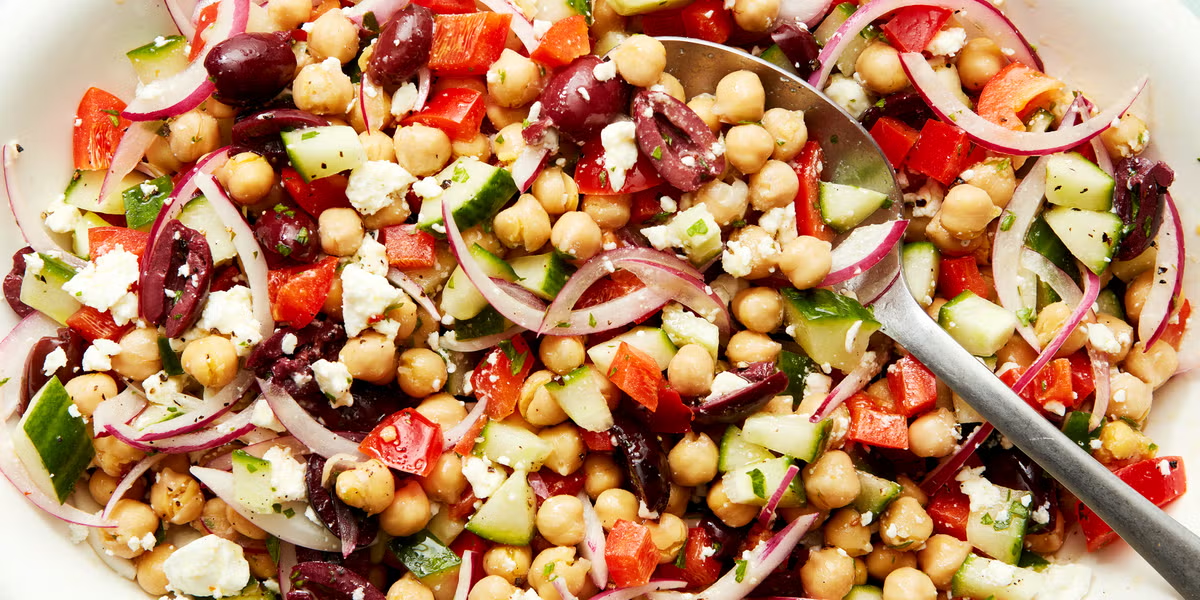
Fresh vegetables, vibrant herbs, and wholesome ingredients define some of the most satisfying dishes in Mediterranean cuisine, and few recipes showcase those qualities better than a Mediterranean chickpea salad. Packed with color, texture, and bold flavor, this salad proves that simple ingredients can come together to create something truly memorable. It is the kind of dish I find myself making repeatedly because it delivers freshness, nutrition, and incredible taste in every bite.
A well-made Mediterranean chickpea salad works in almost any setting. It can serve as a quick lunch, a healthy side dish, a meal-prep favorite, or a centerpiece for a casual gathering. The combination of tender chickpeas, crisp vegetables, tangy cheese, and bright dressing creates a balance that feels both hearty and refreshing. Every ingredient contributes something valuable, resulting in a salad that never feels boring or repetitive.
What Makes Mediterranean Flavors So Appealing
Mediterranean cuisine has earned worldwide admiration because of its focus on fresh ingredients and natural flavors. Rather than relying on heavy sauces or excessive processing, these recipes allow vegetables, herbs, olive oil, and cheeses to take center stage.
One of the characteristics I appreciate most is the balance between richness and freshness. Olive oil provides depth, vegetables contribute crunch, herbs add fragrance, and citrus introduces brightness. The result is food that feels satisfying without becoming overly heavy.
This approach works particularly well in a chickpea salad. The beans provide substance and protein, while the surrounding ingredients ensure that every bite remains vibrant and flavorful. It is a combination that feels nourishing while still delivering plenty of enjoyment.
Why Chickpeas Are the Perfect Foundation
Chickpeas form the heart of this salad, and for good reason. Their mild flavor allows them to absorb surrounding seasonings while contributing a creamy texture that contrasts beautifully with crisp vegetables.
I often keep chickpeas stocked in my pantry because they are incredibly versatile. They can be added to soups, blended into spreads, roasted for snacks, or tossed into salads. In this recipe, they provide the structure that transforms a collection of vegetables into a complete and satisfying dish.
Beyond their culinary value, chickpeas make the salad more filling. Their combination of protein and fiber helps create a meal that satisfies hunger without feeling overly rich. That balance is one reason Mediterranean chickpea salad remains such a popular choice for lunches and light dinners.
Selecting Fresh Vegetables
The vegetables in this salad contribute much of its color, texture, and freshness. Because they remain largely uncooked, their quality becomes immediately noticeable.
Cucumbers are among my favorite ingredients in this recipe. Their crisp texture and refreshing flavor help lighten the dish while providing a pleasant crunch. English cucumbers work particularly well because of their tender skin and minimal seeds.
Tomatoes add sweetness and juiciness. Cherry or grape tomatoes are excellent choices because they hold their shape while delivering bursts of flavor throughout the salad. Combined with cucumbers, they create a fresh foundation that pairs beautifully with the chickpeas.
Red onions bring a subtle sharpness that prevents the salad from tasting flat. Thin slices distribute evenly and provide just enough bite to enhance the other ingredients without overwhelming them.
The Role of Feta Cheese
Few ingredients contribute Mediterranean character as effectively as feta cheese. Its salty, tangy flavor creates an immediate contrast with the mild chickpeas and fresh vegetables.
I enjoy how feta crumbles throughout the salad, ensuring that its flavor appears in nearly every bite. The creamy texture also softens the crispness of the vegetables, creating a more balanced eating experience.
While feta is traditional, the amount can be adjusted according to personal preference. Some people prefer a light scattering, while others enjoy a more generous portion. Either approach works because the cheese complements the other ingredients so naturally.
Fresh Herbs Bring Everything to Life
Herbs often separate a good salad from a great one. Their aroma and brightness introduce layers of flavor that cannot be replicated by dried seasonings alone.
Parsley is one of the most common choices for Mediterranean chickpea salad. Its clean, fresh flavor enhances the vegetables while contributing vibrant color. Chopped finely, it distributes evenly and lifts the entire dish.
Fresh mint can also be a wonderful addition. Its cooling character pairs surprisingly well with cucumbers, tomatoes, and feta. Even a small amount can transform the overall flavor profile, making the salad feel especially refreshing during warm weather.
Crafting a Simple Mediterranean Dressing
One of the reasons I love this recipe is that it requires no complicated dressing. A few quality ingredients are often all that is needed to bring everything together.
Extra virgin olive oil forms the base. Its richness coats the vegetables and chickpeas while providing the distinctive flavor associated with Mediterranean cooking. High-quality olive oil makes a noticeable difference, so I always use the best available option.
Fresh lemon juice introduces acidity that brightens the salad and balances the richness of the oil. Combined with a little garlic, salt, black pepper, and dried oregano, it creates a dressing that feels vibrant and refreshing without overshadowing the ingredients.
Building Layers of Texture
Texture plays a major role in the appeal of Mediterranean chickpea salad. The contrast between ingredients ensures that every bite remains interesting from beginning to end.
The chickpeas contribute creaminess, while cucumbers provide crunch. Tomatoes add juiciness, and red onions introduce a slight crispness along with their sharp flavor. Feta contributes softness that ties everything together.
Sometimes I add toasted pine nuts or chopped almonds for an extra layer of texture. These additions introduce a subtle nuttiness that complements the Mediterranean flavors while making the salad even more satisfying.
How to Assemble the Salad
One of the greatest strengths of this recipe is its simplicity. Preparation requires minimal cooking, making it ideal for busy days when time is limited.
I begin by draining and rinsing the chickpeas thoroughly. This removes excess liquid and helps the dressing adhere more effectively. The chickpeas are then placed into a large mixing bowl.
The chopped vegetables, herbs, and feta are added next. Once everything is combined, the dressing is poured over the mixture and tossed gently. The goal is to distribute the ingredients evenly while preserving their individual textures and appearance.
Ideal for Meal Prep
Many salads lose their appeal after a few hours in the refrigerator, but Mediterranean chickpea salad often improves as it sits. The flavors have time to blend, creating a more cohesive dish.
This quality makes it particularly useful for meal preparation. I often prepare a large batch and portion it into containers for lunches throughout the week. The chickpeas absorb some of the dressing, while the vegetables remain relatively crisp.
Because the ingredients are sturdy, the salad maintains its quality better than many lettuce-based alternatives. That durability makes it a practical option for busy schedules and advance planning.
Pairing Ideas for a Complete Meal
Although the salad is satisfying on its own, it also pairs beautifully with a variety of dishes. Its fresh flavors complement both grilled meats and seafood.
Grilled chicken is one of my favorite accompaniments. The smoky flavor of the meat contrasts nicely with the bright vegetables and tangy dressing. Together, they create a meal that feels balanced and substantial.
The salad also works wonderfully alongside grilled fish, lamb, or roasted vegetables. Warm pita bread and hummus can transform it into a Mediterranean-inspired spread that feels generous and inviting.
Seasonal Variations Worth Exploring
One of the reasons this recipe remains a staple in my kitchen is its flexibility. Small seasonal adjustments can introduce new flavors while maintaining the essence of the dish.
Bell peppers add sweetness and additional crunch. Their bright colors also enhance the visual appeal of the salad, making it even more attractive when serving guests.
During summer, diced avocado can provide creaminess and richness. In cooler months, roasted vegetables such as zucchini or eggplant can create a heartier variation that feels especially comforting.
These adaptations allow the salad to evolve throughout the year while preserving the Mediterranean character that makes it so enjoyable.
Common Mistakes to Avoid
Despite its simplicity, a few common mistakes can affect the final result. One of the biggest is under-seasoning. Chickpeas benefit from adequate salt and acidity, so tasting and adjusting the dressing is important.
Another issue is using watery vegetables without proper preparation. Excess moisture can dilute the dressing and reduce overall flavor intensity. Draining tomatoes if necessary and drying vegetables thoroughly helps maintain the salad’s balance.
Adding delicate herbs too far in advance can also reduce their impact. Fresh herbs are most vibrant when incorporated shortly before serving, preserving both their flavor and appearance.
Why This Salad Continues to Impress
Mediterranean chickpea salad succeeds because it delivers everything a great salad should. It offers freshness, texture, color, nutrition, and flavor without requiring complicated techniques or hard-to-find ingredients.
The balance between creamy chickpeas, crisp vegetables, tangy feta, and bright dressing creates a combination that feels complete and satisfying. Every ingredient has a purpose, and together they form a dish that is far greater than the sum of its parts.
Its versatility adds to its appeal. Whether served at a picnic, packed for lunch, or presented at a dinner gathering, it consistently earns enthusiastic responses. That reliability is one reason it remains a permanent part of my recipe collection.
Final Thoughts
Mediterranean chickpea salad captures everything that makes Mediterranean cuisine so beloved. It relies on fresh ingredients, bold flavors, and simple preparation to create a dish that feels both nourishing and delicious.
What I appreciate most is how effortlessly it fits into everyday life. It can be prepared quickly, adapted to different tastes, and enjoyed in countless settings. Despite its simplicity, it never feels ordinary because each ingredient contributes meaningful flavor and texture.
With tender chickpeas, crisp vegetables, creamy feta, fragrant herbs, and a bright lemon dressing, this salad delivers a refreshing experience that keeps people coming back for more. It is a recipe that proves healthy food can be every bit as satisfying and memorable as more elaborate dishes, making it a staple worth returning to throughout the year.