
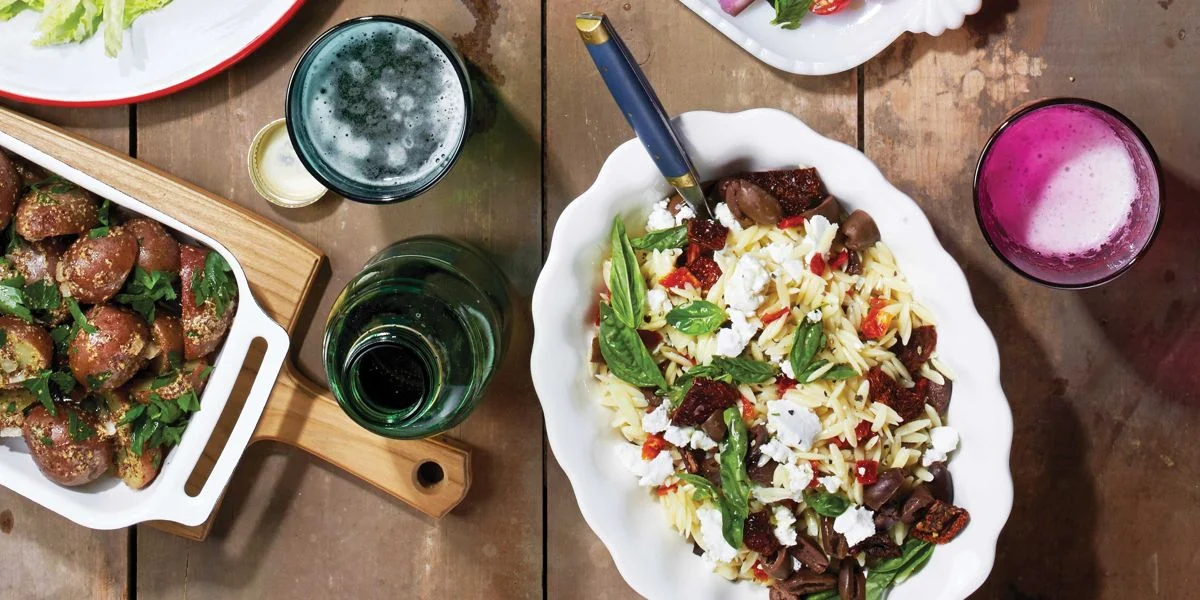
Fresh vegetables, briny olives, creamy feta, and tender pasta come together in a Greek pasta salad that delivers everything I want from a satisfying side dish. It is colorful, flavorful, and substantial enough to stand on its own while remaining refreshing and light. Every forkful offers a combination of textures and Mediterranean-inspired flavors that make this salad a favorite at gatherings, family dinners, and meal-prep lunches.
What keeps me returning to this recipe is its balance. The pasta provides heartiness, while crisp vegetables contribute freshness and crunch. Tangy feta and olives add bold flavor, and a simple dressing ties everything together without overpowering the ingredients. Greek pasta salad manages to feel comforting and refreshing at the same time, making it one of the most versatile dishes I can bring to the table.
Why Greek Flavors Pair So Well With Pasta
Greek cuisine is built around ingredients that naturally complement one another. Olive oil, fresh vegetables, herbs, cheese, and olives create combinations that feel vibrant and satisfying without requiring elaborate preparation.
Pasta serves as an excellent canvas for these flavors. Its mild taste allows the vegetables and dressing to shine while adding enough substance to transform the salad into a complete dish. The result is a meal that feels hearty but never heavy.
I often find that Mediterranean-inspired recipes have a timeless quality. They rely on simple ingredients prepared thoughtfully, creating dishes that remain appealing year after year. Greek pasta salad embodies that approach perfectly.
Selecting the Right Pasta
The type of pasta used can have a significant impact on the final texture and presentation of the salad. While many shapes work well, some perform better than others when combined with vegetables and dressing.
Rotini is one of my favorite choices because its spirals capture dressing and small pieces of vegetables. Every bite contains a balanced mix of ingredients, making the salad more enjoyable to eat.
Bowtie pasta and penne are also excellent options. Their shapes hold up well during mixing and maintain a pleasant texture even after spending time in the refrigerator. Whatever variety is selected, cooking it just until al dente helps ensure the salad remains firm and satisfying.
The Importance of Fresh Vegetables
Vegetables bring color, crunch, and freshness to Greek pasta salad. Because they are such a prominent part of the dish, quality matters tremendously.
Cucumbers are among the most important ingredients. Their cool, crisp texture provides contrast to the tender pasta and creamy feta. English cucumbers are particularly useful because they have fewer seeds and a delicate skin that requires little preparation.
Cherry tomatoes contribute sweetness and acidity. Their juicy texture creates bursts of flavor throughout the salad, helping balance the richness of the cheese and olives. I often use a variety of colors to make the dish even more visually appealing.
Red bell peppers add sweetness and crunch while introducing vibrant color. Their freshness complements the Mediterranean flavors beautifully and helps create a more dynamic texture.
Why Feta Cheese Is Essential
Few ingredients define a Greek pasta salad more clearly than feta cheese. Its tangy, salty flavor provides the distinctive character that sets this dish apart from other pasta salads.
I enjoy how feta crumbles throughout the salad, ensuring that every bite contains a bit of its creamy texture and bold flavor. Unlike milder cheeses, feta stands out without overwhelming the other ingredients.
The contrast between the salty cheese and the fresh vegetables creates much of the appeal. Together, they produce a balance that feels lively and satisfying rather than overly rich.
Olives Add Mediterranean Character
Olives bring depth and authenticity to the salad. Their briny flavor introduces complexity while reinforcing the Mediterranean influence that defines the dish.
Kalamata olives are my preferred choice because of their rich, slightly fruity flavor. Their distinctive taste pairs naturally with feta and olive oil, creating a combination that feels unmistakably Greek.
Sliced or halved olives distribute evenly throughout the salad, ensuring that their flavor appears consistently without dominating every bite. Their deep color also contributes visual contrast, making the finished dish more attractive.
Fresh Herbs Bring Brightness
Herbs may seem like a small detail, but they have a remarkable ability to elevate the overall flavor of a pasta salad. Their freshness creates balance and adds another layer of complexity.
Parsley is one of the most common choices. Its clean, bright flavor complements the vegetables and dressing without becoming overpowering. Finely chopped parsley also introduces a burst of color that enhances presentation.
Fresh oregano can add even more Mediterranean character. Used sparingly, it contributes a fragrant note that ties together the feta, olives, and olive oil beautifully.
Building a Simple Greek Dressing
The dressing is what transforms individual ingredients into a cohesive salad. Fortunately, a Greek pasta salad requires nothing overly complicated.
Extra virgin olive oil forms the foundation. Its richness coats the pasta and vegetables while contributing the unmistakable flavor associated with Mediterranean cooking. Using high-quality olive oil makes a noticeable difference in the final result.
Red wine vinegar adds acidity and brightness. Combined with garlic, dried oregano, salt, and black pepper, it creates a dressing that feels fresh and balanced. The goal is to enhance the ingredients rather than overwhelm them.
A squeeze of fresh lemon juice can also add another layer of brightness, making the salad feel even more refreshing.
Properly Cooking and Cooling the Pasta
One of the keys to a successful pasta salad is preparing the pasta correctly. Overcooked pasta can become mushy and absorb too much dressing, resulting in a less appealing texture.
I always cook the pasta until just al dente. It should remain slightly firm because it will continue to absorb moisture after being combined with the dressing.
Once cooked, the pasta should be drained and cooled promptly. A quick rinse with cold water stops the cooking process and helps maintain the desired texture. Allowing the pasta to cool completely before mixing prevents the vegetables from softening prematurely.
Assembling the Salad
Putting the salad together is straightforward, but thoughtful assembly helps ensure that every serving contains a balanced mix of ingredients.
The cooled pasta is placed into a large bowl and combined with the chopped vegetables, olives, and herbs. This creates an even distribution before the dressing is introduced.
The dressing is then poured over the mixture and tossed gently. Finally, the feta is added and folded in carefully to preserve its texture. This approach helps maintain attractive pieces of cheese throughout the salad rather than turning them into crumbs.
Why This Salad Excels at Meal Prep
Greek pasta salad is one of the most reliable make-ahead dishes I know. In fact, it often tastes better after spending a few hours in the refrigerator.
As the ingredients sit together, the pasta absorbs some of the dressing, allowing the flavors to blend more thoroughly. The vegetables retain much of their crunch, while the feta and olives continue to contribute their distinctive flavors.
This quality makes the salad ideal for lunches, picnics, and busy weeks when preparing meals in advance can save valuable time. A large batch can easily provide several satisfying servings.
Pairing Ideas for Any Occasion
One reason I appreciate Greek pasta salad so much is its versatility. It complements a wide variety of dishes while also working well as a standalone meal.
Grilled chicken is a natural companion. Its smoky flavor contrasts beautifully with the bright vegetables and tangy dressing. Together, they create a balanced meal that feels both hearty and refreshing.
The salad also pairs wonderfully with grilled fish, lamb, or shrimp. Its fresh Mediterranean flavors enhance these proteins without competing for attention.
For casual gatherings, I often serve it alongside pita bread, hummus, and other Mediterranean-inspired dishes. The combination creates a colorful spread that encourages guests to sample a little of everything.
Seasonal Variations Worth Trying
Although the classic version remains my favorite, Greek pasta salad adapts easily to seasonal ingredients and personal preferences.
Artichoke hearts can introduce another layer of Mediterranean flavor. Their tender texture and slightly tangy taste fit naturally with the existing ingredients.
During summer, roasted zucchini or grilled eggplant can add richness and depth. Their smoky notes pair beautifully with feta and olives, creating a heartier variation.
Chickpeas are another excellent addition. They increase the protein content while contributing texture that complements both the pasta and vegetables.
Common Mistakes to Avoid
Despite its simplicity, a few common mistakes can affect the quality of the finished salad. One of the biggest is overdressing. Too much dressing can make the salad feel heavy and diminish the freshness of the vegetables.
Another issue is under-seasoning. Pasta absorbs flavor readily, so tasting and adjusting the seasoning before serving is essential. A little extra salt, pepper, or lemon juice can often make a significant difference.
Using low-quality feta can also impact the final result. Authentic, flavorful feta contributes much of the salad’s character, making it worth seeking out a good variety whenever possible.
What Makes This Salad So Popular
Greek pasta salad has remained popular for decades because it offers a combination of qualities that many dishes struggle to achieve. It is easy to prepare, visually appealing, highly adaptable, and packed with flavor.
The contrast between tender pasta, crisp vegetables, creamy feta, and briny olives creates a satisfying experience in every bite. Each ingredient contributes something unique while supporting the others.
Its ability to serve multiple roles adds to its appeal. It can function as a side dish, a light lunch, a picnic staple, or a potluck favorite without requiring significant adjustments.
Final Thoughts
Greek pasta salad showcases the beauty of Mediterranean cooking through a combination of fresh vegetables, tender pasta, tangy feta, and a bright olive oil dressing. The ingredients are simple, yet together they create a dish that feels vibrant, satisfying, and endlessly versatile.
What I enjoy most is how effortlessly it fits into different occasions. It can be prepared ahead of time, served alongside countless main dishes, and customized to suit individual tastes while still retaining its essential character.
With its colorful presentation, balanced flavors, and satisfying texture, Greek pasta salad remains one of the most dependable recipes in my collection. It is a dish that consistently delivers freshness and flavor, making it just as welcome at a casual family meal as it is at a festive gathering with friends.