
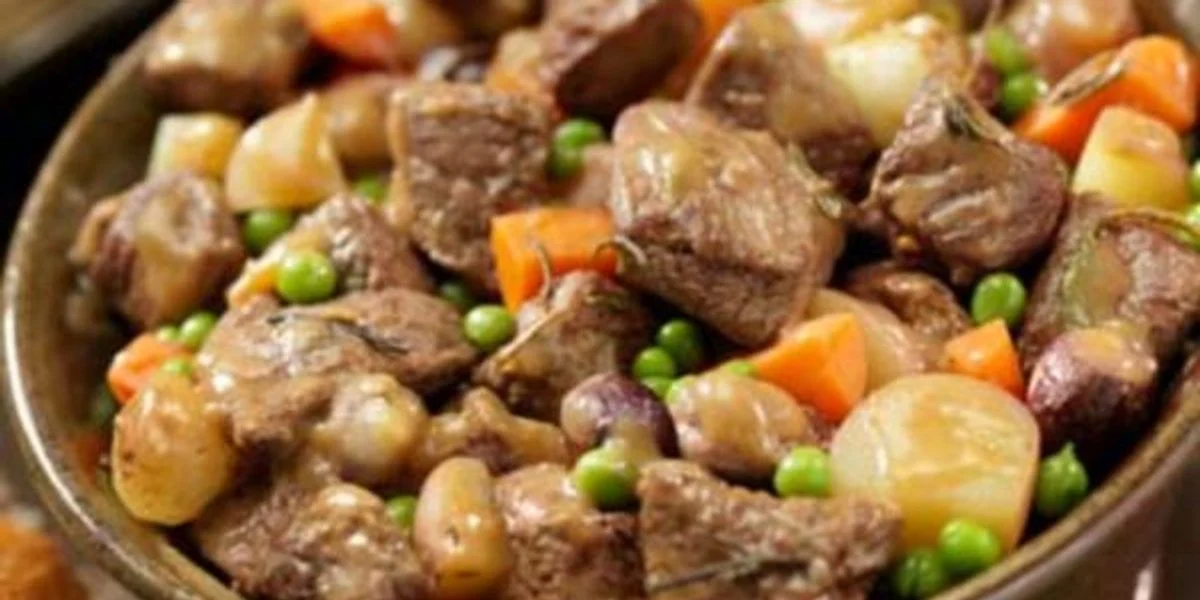
Few meals deliver comfort quite like a bowl of slow-cooked beef stew. The rich aroma that fills the kitchen throughout the day, the sight of tender chunks of beef nestled among vegetables, and the deeply savory broth all come together to create a meal that feels both nourishing and satisfying. It is the kind of dish that invites people to gather around the table and linger a little longer over dinner.
Slow cooker beef stew has earned a permanent place in my recipe collection because it transforms simple ingredients into something extraordinary. With minimal hands-on effort, the slow cooker develops layers of flavor that would otherwise require constant attention. By the time the stew is ready, the beef is fork-tender, the vegetables are infused with rich broth, and every spoonful feels like pure comfort.
Why This Dish Never Goes Out of Style
Some recipes remain popular because they offer more than just good flavor. Slow cooker beef stew delivers warmth, convenience, and a sense of familiarity that few meals can match. It is hearty enough to satisfy on a cold evening yet versatile enough to enjoy throughout the year.
The long cooking process allows ingredients to develop depth and complexity naturally. Tough cuts of beef become incredibly tender, while vegetables absorb the savory flavors surrounding them. The result is a meal that tastes as though it required far more effort than it actually did.
Another reason for its enduring appeal is practicality. Once the ingredients are in the slow cooker, the appliance handles most of the work. That convenience makes it ideal for busy schedules while still providing a homemade meal at the end of the day.
The Beauty of Slow Cooking
One of the things I appreciate most about slow cooking is how it rewards patience. Unlike recipes that rely on high heat and quick preparation, this method allows flavors to build gradually over several hours.
As the beef cooks, connective tissues break down and become tender. The broth grows richer as it absorbs juices from the meat and vegetables, creating a deeply satisfying base for the stew.
Slow cooking also helps ingredients retain moisture. Instead of drying out, the beef remains succulent while vegetables become tender without completely losing their shape. The result is a stew with excellent texture and remarkable flavor.
Ingredients That Create Exceptional Flavor
A great stew starts with quality ingredients. While the ingredient list is straightforward, each component contributes something important to the final dish.
Beef serves as the centerpiece. Cuts such as chuck roast are particularly well suited to slow cooking because their marbling breaks down over time, creating tender and flavorful meat.
Vegetables add texture, color, and natural sweetness. Potatoes provide heartiness, carrots contribute subtle sweetness, and onions create a savory foundation that supports the entire dish.
A rich broth ties everything together. Combined with herbs and seasonings, it transforms simple ingredients into a meal filled with depth and character.
Ingredients You’ll Need
For a generous batch of slow cooker beef stew, I typically gather:
- 2 pounds beef chuck roast, cut into chunks
- 4 large carrots, sliced
- 4 medium potatoes, diced
- 1 large onion, chopped
- 3 cloves garlic, minced
- 4 cups beef broth
- 2 tablespoons tomato paste
- 2 tablespoons Worcestershire sauce
- 1 teaspoon dried thyme
- 1 teaspoon dried rosemary
- 2 tablespoons cornstarch
- 2 tablespoons water
- Salt to taste
- Black pepper to taste
- Fresh parsley for garnish
These ingredients create a stew that is rich, hearty, and packed with comforting flavor.
Selecting the Right Beef
The choice of beef has a significant impact on the final result. I almost always reach for chuck roast because it contains enough connective tissue and marbling to become exceptionally tender during slow cooking.
Lean cuts may seem appealing, but they often lack the richness needed for a truly satisfying stew. The slow cooker works best with cuts that benefit from extended cooking times.
Cutting the beef into evenly sized pieces helps ensure consistent cooking. Uniform chunks become tender at roughly the same rate, resulting in a more enjoyable texture throughout the stew.
Building Flavor Before Slow Cooking
Although it is possible to place everything directly into the slow cooker, I often take a few extra minutes to brown the beef first. This simple step creates a layer of flavor that significantly enhances the finished dish.
The beef is seasoned with salt and pepper before being seared in a hot skillet. As the surface develops a deep brown crust, rich caramelized flavors emerge that cannot be achieved through slow cooking alone.
Once browned, the beef is transferred to the slow cooker along with any flavorful bits left behind in the skillet. These browned pieces become part of the stew and contribute remarkable depth.
Preparing the Vegetables
The vegetables in slow cooker beef stew do far more than simply fill space. They absorb the rich broth while contributing their own flavors to the dish.
Potatoes provide substance and help make the stew feel complete. As they cook, they soften and absorb the surrounding flavors without losing their ability to hold their shape.
Carrots introduce natural sweetness that balances the savory elements. Their bright color also makes the finished dish more visually appealing.
Onions gradually break down during cooking, enriching the broth and creating a savory foundation that supports every ingredient.
Creating the Broth
A flavorful broth is essential for an exceptional stew. Beef broth forms the base, providing rich savory notes that complement the meat perfectly.
Tomato paste adds subtle sweetness and depth while helping create a richer color. Even a small amount contributes complexity that becomes more pronounced during the long cooking process.
Worcestershire sauce introduces layers of umami that enhance the overall flavor. Combined with herbs and seasonings, it helps transform the broth into something deeply satisfying.
Letting Time Do the Work
Once everything is assembled, the slow cooker takes over. This is one of my favorite aspects of the recipe because the hardest part is simply waiting for the flavors to develop.
As the hours pass, the beef becomes increasingly tender while the vegetables absorb the broth. The kitchen gradually fills with an aroma that signals something comforting is on the way.
Unlike many recipes that require constant monitoring, this one rewards patience. The slow cooker maintains a consistent temperature that allows ingredients to reach their full potential without requiring much attention.
The Importance of Herbs and Seasonings
Herbs may seem like a small detail, but they play an important role in creating a balanced stew. Thyme and rosemary are among my favorite choices because they complement beef beautifully.
As the stew cooks, the herbs infuse the broth with earthy, aromatic notes that enhance every bite. Their flavors become more integrated over time, creating a dish that feels cohesive and well-rounded.
Seasoning should always be adjusted near the end of cooking. Tasting before serving allows the flavors to be fine-tuned and ensures the finished stew is perfectly balanced.
Thickening the Stew
Toward the end of cooking, I often thicken the stew slightly to create a richer texture. A simple mixture of cornstarch and water works exceptionally well for this purpose.
The slurry is stirred into the slow cooker and allowed to cook briefly. Within minutes, the broth transforms into a silky, hearty consistency that coats the beef and vegetables beautifully.
The goal is not to create a gravy-like thickness but rather to give the broth enough body to feel satisfying and luxurious.
Flavor Variations Worth Trying
One of the strengths of slow cooker beef stew is its adaptability. Small additions can create entirely new flavor experiences while maintaining the comforting essence of the dish.
Mushrooms are an excellent addition for extra depth and earthiness. Their savory flavor complements the beef beautifully and enriches the broth even further.
Peas can be stirred in near the end of cooking to add sweetness and vibrant color. They provide a fresh contrast to the rich, slow-cooked ingredients.
For a slightly different profile, a splash of red wine can be added to the broth. It contributes complexity and richness that pair naturally with beef.
Serving Suggestions
Slow cooker beef stew is satisfying enough to serve on its own, but a few accompaniments can elevate the meal even further.
Crusty bread is one of my favorite pairings. It provides the perfect tool for soaking up every last drop of the flavorful broth and adds a pleasant contrast in texture.
A simple green salad also works well alongside the stew. The freshness of crisp vegetables balances the richness of the dish and creates a more complete meal.
Mashed potatoes can transform the stew into an even heartier dinner. The combination of creamy potatoes and rich broth is difficult to resist.
Common Mistakes to Avoid
One of the most common mistakes is using lean cuts of beef. While they may seem healthier, they often become dry and lack the rich texture that makes stew so satisfying.
Adding delicate vegetables too early can also create issues. Ingredients that cook quickly may become overly soft after several hours in the slow cooker.
Another mistake involves lifting the lid too frequently. Each time the lid is removed, valuable heat escapes, extending the cooking time and disrupting the slow cooking process.
Storing and Reheating Leftovers
One of the best things about slow cooker beef stew is how well it stores. In many cases, the flavors become even better after resting overnight.
Once cooled, leftovers can be transferred to airtight containers and refrigerated for several days. The broth continues to develop flavor, creating an even richer meal the next day.
Reheating gently on the stovetop helps preserve texture and flavor. A small splash of broth can be added if the stew thickens too much during storage.
Why It Remains a Comfort Food Favorite
Many dishes offer convenience, and many offer flavor, but few combine both qualities as effectively as slow cooker beef stew. The recipe requires relatively little effort while delivering results that feel deeply satisfying and homemade.
Its ability to transform humble ingredients into something memorable is part of its enduring appeal. Every bowl contains tender beef, flavorful vegetables, and rich broth that work together to create a meal greater than the sum of its parts.
The sense of comfort it provides also contributes to its popularity. Whether enjoyed on a chilly evening or shared during a family gathering, it consistently delivers warmth and satisfaction.
Final Thoughts
Slow cooker beef stew proves that some of the best meals come from simple ingredients and a little patience. Tender beef, hearty vegetables, aromatic herbs, and rich broth combine to create a dish that feels both comforting and timeless.
Whether prepared for a busy weekday or a relaxed weekend dinner, slow cooker beef stew offers dependable flavor and remarkable satisfaction. It is the kind of recipe that fills the kitchen with wonderful aromas, brings people together around the table, and continues to earn a place among the most beloved comfort foods.